

How to Create Referral Programs for Restaurant Customers
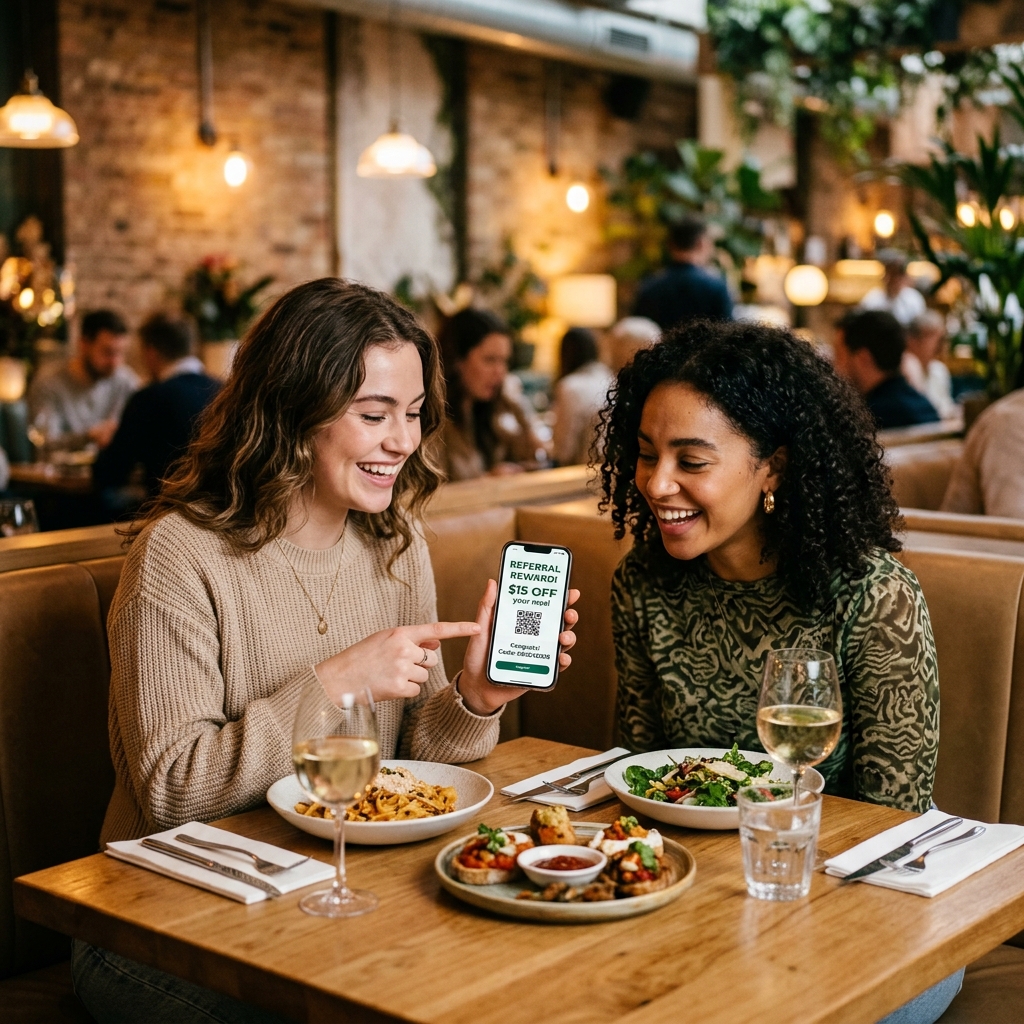
Diners have never had more options than they do today. Every week, a new eatery opens down the street, while delivery apps present hundreds of menus with a single swipe. Buying ads on social media gets more expensive, and paper flyers usually end up in the recycling bin. In this environment, your best marketing asset is already sitting at your tables. Your regular customers love your food, understand your service, and already talk about you. Helping them bring in their friends with a structured system is the most cost-effective way to fill your dining room.
A structured referral program for restaurant customers turns word-of-mouth from a random occurrence into a predictable channel. People trust recommendations from friends far more than any billboard. When you reward guests for sharing their experiences, you create a circle that brings in high-value diners who are likely to return.
The Double-Sided Incentive Structure
The most common mistake when launching referral programs for restaurant customers is only rewarding one side. If you only give a reward to the person making the referral, they might feel uncomfortable, like they are selling out their friends. If you only reward the new customer, the original guest has no incentive to speak up. You must reward both.
Consider a simple double-sided offer: the friend gets a free starter on their first visit, and the referring customer gets a ten-dollar voucher credited to their account. This balance makes the recommendation feel like a gift rather than a sales pitch. The referring guest feels good because they are giving their friend a deal, and they get a discount for their loyalty.
When selecting your incentives, think about your food cost margins. A voucher for a free appetizer with any main course has a high perceived value for the customer (often ten to twelve dollars) but only costs your kitchen two to three dollars to produce. This keeps your acquisition cost low while keeping the reward attractive.
Physical vs. Digital Tracking Methods
Do not let technology become a barrier to launching your program. You do not need expensive software to start. A simple, physical card system works well for independent restaurants, while digital tracking fits multi-unit operations.
| Method | How It Works | Best For |
|---|---|---|
| Physical Referral Cards | Servers hand out cards where the existing customer writes their name. The new friend brings the card back. | Neighborhood bistros, cozy cafes, and single-location spots. |
| Custom Booking Links | Your reservation system generates a unique link for loyalty members to share via message. | Modern restaurants with online booking systems and email marketing. |
| POS Integration Codes | Loyalty program apps generate unique referral codes that are scanned at the point of sale. | High-volume quick service, casual dining chains, and food trucks. |
If you choose physical cards, print them on heavy cardstock so they do not feel cheap. When a guest pays their bill, the server can say: "We love having you here. Here is a card for a friend. If they bring it in, we will treat them to a free dessert, and we will put a ten-dollar credit on your account next time you come back." This simple interaction connects the reward to a moment of high satisfaction.
Staff Training is Your Secret Weapon
Even the best referral programs for restaurant customers will fail if your team does not promote them. Your servers are your sales force. If they forget to mention the program, or if they explain it poorly, your response rate will remain close to zero.
Spend fifteen minutes in your next team meeting explaining the program. Make sure they understand the benefits for the guest and how the tracking works. To motivate your team, run a friendly competition. The server whose name is written on the most redeemed referral cards at the end of the month wins a fifty-dollar bonus or a prime shift schedule. This aligns your team's goals with your growth strategy.
Real-World Example: The Bistro Trial
Let's look at a family-run Italian spot in a busy city center. They noticed their weekday dinner crowds were thin. They launched a referral system called "Bring a New Guest."
They printed five hundred referral cards. The offer was straightforward: the new guest received a complimentary glass of house wine or craft beer, and the referring customer received a fifteen percent discount on their next weekday dinner. The servers handed these out only to guests who gave positive feedback during their meal.
Within two months, eighty-four cards were redeemed. That represents eighty-four new tables of guests who had never dined there before. The average table bill was sixty-two dollars, generating over five thousand dollars in immediate revenue. The total cost of the wine served to the new guests was less than one hundred dollars, and the discounts given to the regulars cost the restaurant about two hundred and fifty dollars in gross margin. The return on investment was clear.
Promoting Your Program Beyond the Dining Room
Do not limit promotion to tables. Use your digital channels to remind guests about the rewards. Send a dedicated campaign to your email database explaining the program with a clear button to generate a referral link. Put a permanent link to your referral page in your social media profiles.
Another excellent spot is your confirmation emails. When a guest books a table online, the confirmation email should say: "Dining with friends? Send them this link to book their first table, and you both get a treat." You are catching the guest when they are already thinking about their upcoming reservation, which increases the likelihood of a share.
Keep your rules simple. Avoid long terms and conditions. If a customer feels like they have to jump through hoops to get their reward, they will lose interest. A clear, honest offer will build trust and keep your tables filled with happy, referring guests.