

How to Increase Restaurant Revenue Without Raising Prices
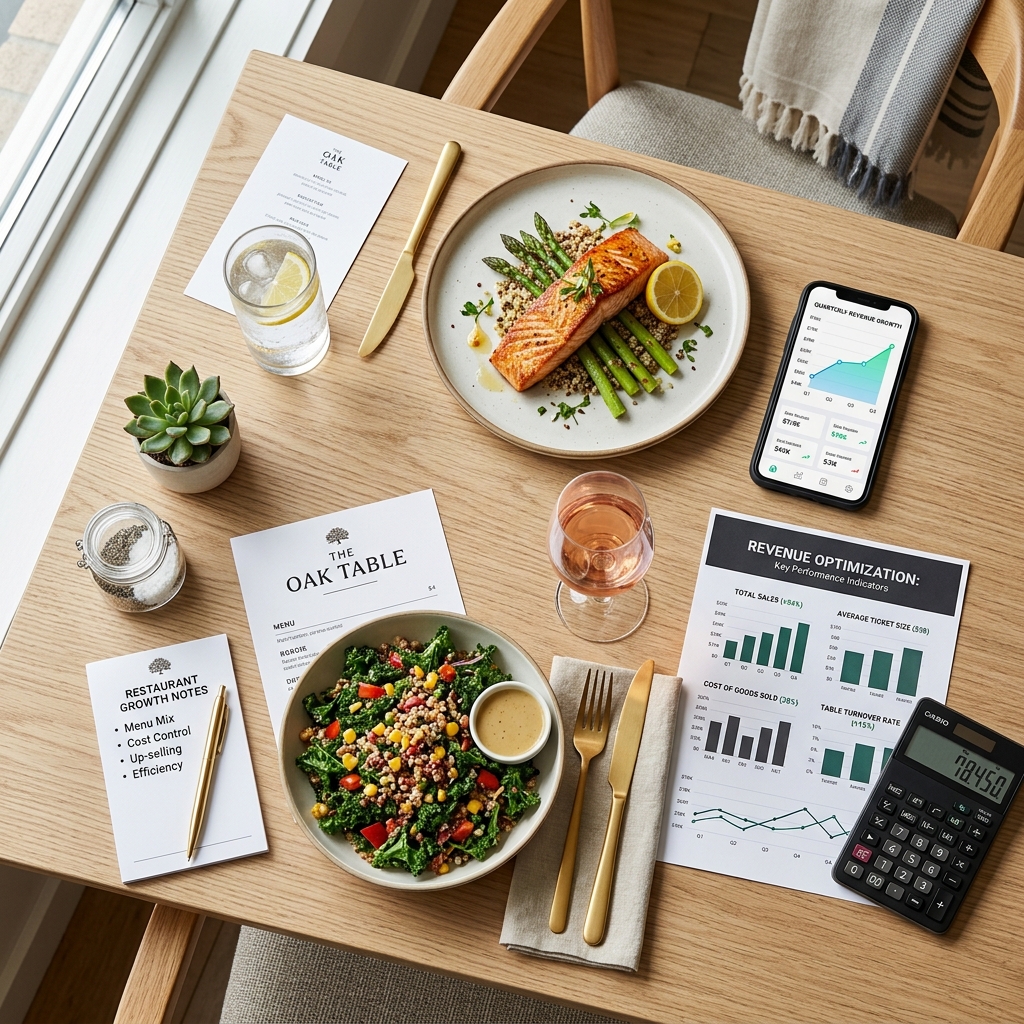
Running a successful restaurant is becoming more challenging every year. Rising food costs, increasing labor expenses, and growing competition make it difficult to maintain healthy profit margins. Many restaurant owners immediately think about increasing menu prices when they need more revenue, but higher prices can discourage customers, especially during uncertain economic times.
The good news is that there are many ways to increase restaurant revenue without changing your prices. By improving operations, increasing customer frequency, and encouraging higher spending per visit, restaurants can significantly boost sales while keeping customers happy.
Here are some of the most effective strategies.
1. Increase Your Average Order Value
One of the fastest ways to generate more revenue is to encourage customers to spend slightly more during each visit.
Train Staff to Upsell
Upselling should feel natural and helpful rather than pushy. Servers can recommend:
- Premium beverages
- Popular appetizers
- Side dishes
- Desserts
- Coffee after meals
For example, instead of asking, "Would you like something to drink?" a server could ask, "Would you like to try our homemade lemonade or one of our local craft beers?"
Even a small increase of €2–€3 per table can make a significant difference over hundreds of customers each week.
Use Strategic Menu Design
Menu engineering can influence purchasing decisions without changing prices. Consider:
- Highlighting high-margin dishes
- Adding "Chef's Recommendations"
- Using appealing descriptions
- Placing profitable items in highly visible areas
Customers are more likely to order featured items when they stand out on the menu.
2. Encourage Add-Ons and Extras
Many restaurants miss opportunities to increase revenue through simple add-ons.
Examples include:
- Extra toppings
- Premium sauces
- Additional side dishes
- Bread baskets
- Specialty drinks
The key is making these options visible both on physical menus and online ordering platforms.
A customer adding just one extra item can increase the total order value by 10–20%.
3. Reduce No-Shows and Reservation Cancellations
Empty tables represent lost revenue that can never be recovered.
Restaurants can reduce no-shows by:
- Sending automated reservation reminders
- Confirming reservations via SMS or email
- Allowing customers to easily modify bookings
- Maintaining a waitlist for busy periods
Even reducing no-shows by a few percentage points can generate thousands of euros in additional annual revenue.
Modern restaurant management platforms can automate these processes and reduce manual work for staff.
4. Improve Table Turnover
Serving more customers during busy periods increases revenue without requiring additional seating. However, faster service should never compromise the dining experience.
Ways to improve table turnover include:
- Streamlining kitchen operations
- Reducing wait times for orders
- Using digital menus
- Improving communication between front-of-house and kitchen staff
- Processing payments more efficiently
A restaurant that serves one additional table per section during peak hours can significantly increase daily revenue.
5. Build Customer Loyalty
Acquiring a new customer is often much more expensive than retaining an existing one. Loyal customers visit more frequently, spend more over time, recommend your restaurant to others, and leave positive reviews.
Create a Loyalty Program
A simple loyalty program can encourage repeat visits. Examples include:
- Every 10th coffee free
- Points-based rewards
- Birthday discounts
- Exclusive member offers
Customers are more likely to return when they know they are working toward a reward.
Collect Customer Data
By collecting customer information during reservations or online orders, restaurants can send:
- Special offers
- Event invitations
- Seasonal menu announcements
- Birthday promotions
These communications help keep your restaurant top of mind.
6. Increase Online Orders
Online ordering continues to be a major revenue source for many restaurants.
To maximize online sales:
- Offer direct ordering through your website
- Make online menus easy to navigate
- Display high-quality food photos
- Suggest add-ons during checkout
- Simplify the ordering process
Many restaurants rely heavily on third-party delivery apps, but direct online ordering often produces higher profit margins because commission fees are lower or nonexistent.
7. Promote High-Margin Items
Not all menu items contribute equally to profitability. Some dishes may generate much higher margins than others.
Review your menu regularly and identify:
- Best-selling items
- Most profitable dishes
- High-margin beverages
- Popular desserts
Then actively promote these items through menu placement, staff recommendations, social media content, and website highlights.
Selling more high-margin products can increase profits without increasing overall prices.
8. Improve Your Online Reputation
Many potential customers check online reviews before choosing a restaurant. A stronger reputation often leads to more reservations and higher foot traffic.
Encourage satisfied customers to leave reviews on platforms such as Google Maps, TripAdvisor, and Facebook. You can increase review volume by:
- Asking customers after a positive experience
- Including QR codes on receipts
- Sending review requests after reservations
More positive reviews improve visibility and build trust with new customers.
9. Use QR Menus to Increase Sales
Digital QR menus offer more than convenience. They can also increase revenue by displaying attractive food images, highlighting specials, promoting upsells, and recommending complementary items.
For example, a customer viewing a burger can automatically see suggestions for fries, premium toppings, or desserts. These recommendations often increase average ticket size without requiring staff intervention.
10. Fill Slow Periods with Promotions
Many restaurants experience quiet periods during certain days or hours. Instead of discounting your entire menu, consider targeted promotions such as:
- Lunch specials
- Happy hour offers
- Family nights
- Themed events
- Seasonal menus
The goal is to attract customers during otherwise low-demand periods while protecting revenue during peak times.
Measure Results and Continuously Improve
The most successful restaurants regularly monitor key performance indicators (KPIs). Important metrics include:
- Average order value
- Revenue per customer
- Reservation conversion rate
- No-show rate
- Repeat customer rate
- Online order volume
Tracking these numbers helps identify opportunities for improvement and ensures that changes are producing measurable results.
Conclusion
Increasing restaurant revenue does not always require raising prices. In many cases, restaurants can generate substantial growth by improving customer experience, increasing average order value, reducing no-shows, encouraging repeat visits, and optimizing operations.
Small improvements across multiple areas often produce better long-term results than a simple price increase. By focusing on efficiency, customer loyalty, and smarter sales strategies, restaurants can grow revenue while maintaining strong relationships with their customers. The most successful restaurant owners understand that sustainable growth comes from delivering more value, not simply charging more.