

Best Packaging Practices for Food Delivery
Most restaurant owners and managers get into this industry because they love food, hospitality, and creating memorable experiences. They do not do it because they want to spend hours tracking metrics, managing server conflicts, or auditing website code. Yet, ignoring these behind-the-scenes realities is why many promising venues struggle. To run a truly successful business, you must focus on the operational details that protect your margins, improve your FOH speed, and keep your tables full.
Food delivery is a huge sales channel, but it can erode margins and damage food quality if not managed correctly. To succeed, you need to optimize order preparation times, select premium packaging that maintains temperature, and drive direct website orders to bypass high commission fees.
A Practical Scenario: Consider how this looks in a real kitchen. A noodle house was paying 4,500 EUR monthly in third-party delivery commissions, while cold noodle complaints were hurting their reputation. They introduced direct ordering with a free drink incentive, optimized packaging, and routed delivery orders to a dedicated prep line. Direct orders rose by 40%.
Key Strategies for Best Packaging Practices for Food Delivery
- Use High-Quality Venting Packaging: Select boxes that release steam to prevent fried items from getting soggy, while maintaining food temperature for at least 25 minutes of travel.
- Route Delivery Orders Separately: Install a dedicated delivery prep station in the kitchen during peak hours to prevent takeout prep from slowing down dine-in ticket times.
- incentivize Direct Ordering Channels: Offer exclusive items or loyalty points to guests who order directly from your website, avoiding high delivery directory commissions.
- Optimize Preparation Lead Times: Monitor ticket times from entry to hand-over. Adjust prep times in your delivery dashboard dynamically to match kitchen capacity during rushes.
Selecting and Testing Food Delivery Packaging
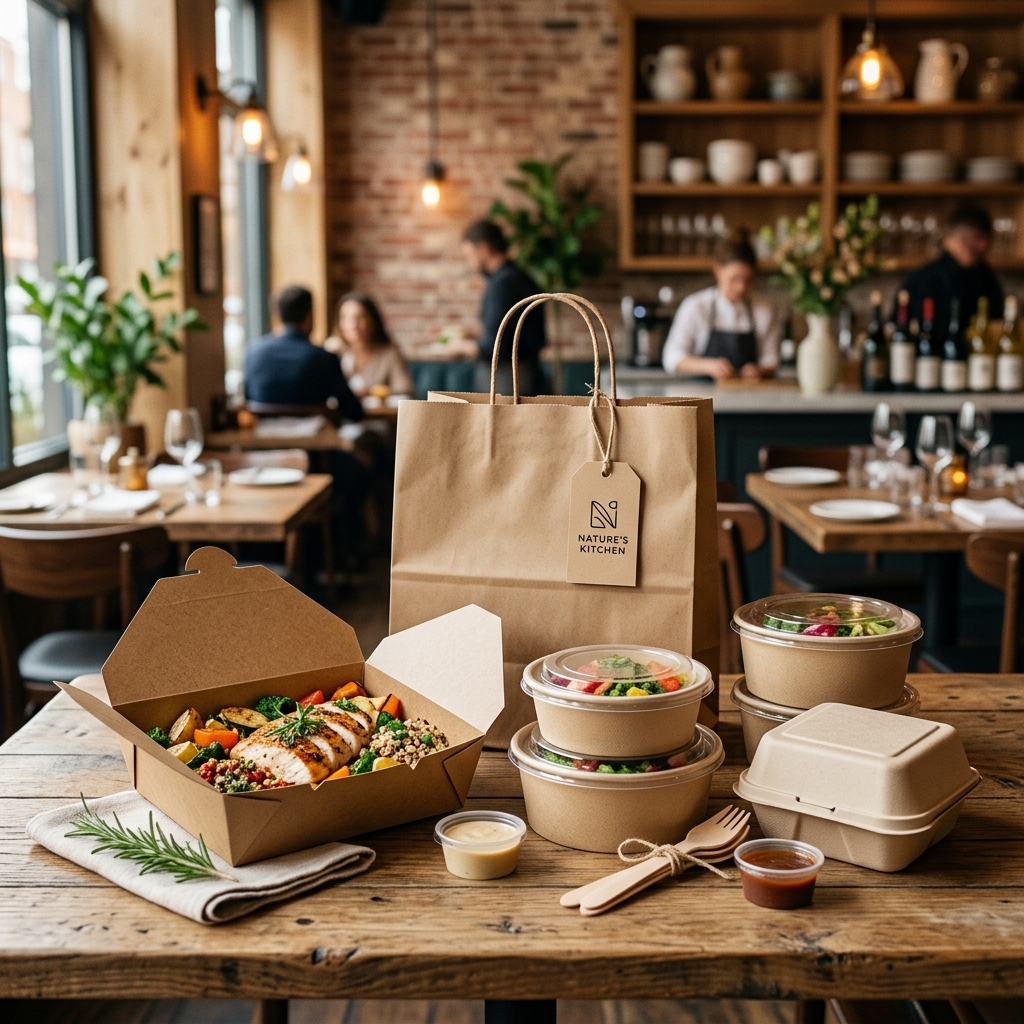
Delivery food quality is heavily dependent on packaging. Standard plastic boxes trap steam, making crispy items soggy within 10 minutes of travel. Invest in cardboard containers with venting holes that release moisture while retaining heat. Run travel tests: pack a signature dish, wait 20 minutes, and taste it. Standardizing packaging and using secure seals protects food presentation, keeps meals hot, and ensures positive customer reviews.
The Critical Pitfall to Avoid
Do not list your entire dine-in menu on delivery apps. High-prep or fragile dishes that do not travel well will lead to negative customer reviews. Keep your delivery menu simple and fast.
Immediate Next Steps for Owners
Audit your delivery menu this week. Remove items that get cold quickly and ensure your packaging keeps food crispy.