

Seasonal Marketing Ideas for Restaurants
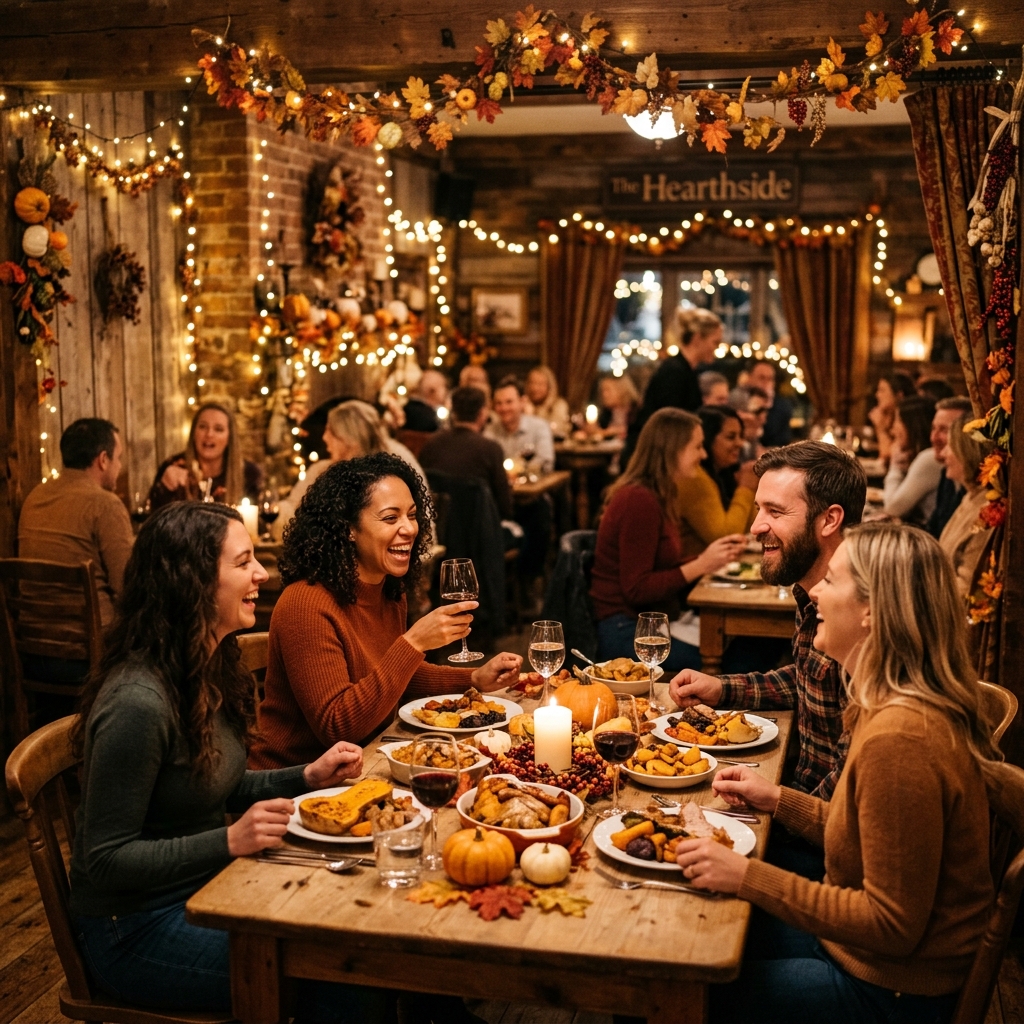
Most restaurant owners plan their marketing calendar two weeks before a major holiday. They scramble to put together a Valentine's Day menu or post a generic graphic for Mother's Day, and then go back to running the exact same food specials for the rest of the year. This reactive approach misses a major opportunity. Diners crave variety, and their eating habits change naturally with the weather. If you do not adapt your message and your menu, your regular guests will slowly stop visiting.
Developing proactive seasonal marketing ideas for restaurants is not about buying plastic spiderwebs for Halloween or paper snowflakes for Christmas. It is about understanding what your guests want to eat, drink, and experience during different times of the year. When you align your kitchen and your marketing campaigns with the seasons, you create urgency, lower your food costs, and keep your dining room full year-round.
Use Scarcity to Drive Bookings
Why does everyone rush to buy pumpkin-flavored treats in October or asparagus dishes in May? The answer is scarcity. When guests know an item is only available for a few weeks, they make a conscious effort to visit before it disappears.
Create limited-time offers that highlight seasonal ingredients:
- Summer: Fresh berry cobblers, cold gazpacho, and heirloom tomato salads.
- Winter: Slow-braised beef short ribs, roasted root vegetables, and hot spiced cider.
A bistro in Yorkshire introduced a seasonal wild garlic risotto that was only on the menu for three weeks in spring. Because of the short window, the restaurant sent a targeted message to their database, which resulted in a fifteen percent increase in bookings during what is normally a quiet month. Guests did not want to wait until next year to try it.
Lower Food Costs by Cooking with the Season
Cooking seasonally is not just a marketing trick; it is smart business. When you buy ingredients at the peak of their harvest, they are both cheaper and taste significantly better.
In August, tomatoes are sweet, abundant, and inexpensive. In January, they are watery, expensive, and must be shipped from thousands of miles away. If you keep a heavy tomato salad on your menu in winter, you are paying a premium for a mediocre product.
Redesign your menu structure to have a core list of customer favorites that stay year-round, combined with a rotating section of three or four seasonal specials. This keeps your menu fresh for regulars while allowing your chef to adjust to changing ingredient prices.
Create Tastes and Environments That Match the Vibe
Your restaurant's physical atmosphere should reflect the seasonal mood. This does not mean hanging tacky decorations from the ceiling. Subtle, elegant changes are far more effective at creating an inviting space.
In winter, focus on warmth. Use soft lighting, add blankets to outdoor heated seating areas, and place firewood near the entrance. In summer, focus on freshness. Open the windows, put fresh herbs in small vases on the tables, and offer lighter, refreshing cocktails.
These atmospheric details encourage guests to take photos and share them online. It makes your restaurant the obvious choice for a cozy winter dinner or a breezy summer lunch.
The Seasonal Marketing Calendar
| Season | Menu Adjustments | Marketing Focus |
|---|---|---|
| Spring | Fresh herbs, asparagus, lamb, light white wines | Re-opening patios, spring cleaning menu launches |
| Summer | Tomatoes, berries, grilled fish, refreshing cocktails | Patio dining, iced beverages, light lunch options |
| Autumn | Squash, apples, mushrooms, hearty stews, red wines | Cozy dinner specials, holiday party bookings |
| Winter | Braised meats, root vegetables, warm desserts, spiced drinks | Valentine's menus, winter comfort food campaigns |
Leverage Holidays with High-Value Packages
Many operators assume they need to offer discounts during slower holiday periods. That is a mistake. Holidays are times when people are willing to spend more money, provided you offer them high value and convenience.
Instead of lowering prices, package your offerings:
- Thanksgiving / Christmas Takeaway: Create high-quality, fully prepped family meals that customers can reheat at home. A family-style roasted turkey dinner for six people priced at one hundred and fifty dollars has a low food cost and saves your customers hours of work.
- Premium Set Menus: For days like Valentine's Day or New Year's Eve, run a fixed three-course menu at a premium price. Include a glass of champagne and a small gift, like house-made chocolate truffles, to justify the higher ticket size.
By planning your seasonal campaigns in advance, cooking with fresh ingredients at their harvest peak, using scarcity to create booking urgency, and packaging holiday offerings, you will build a resilient restaurant business that thrives in every weather.