

Social Media Marketing Tips for Restaurants
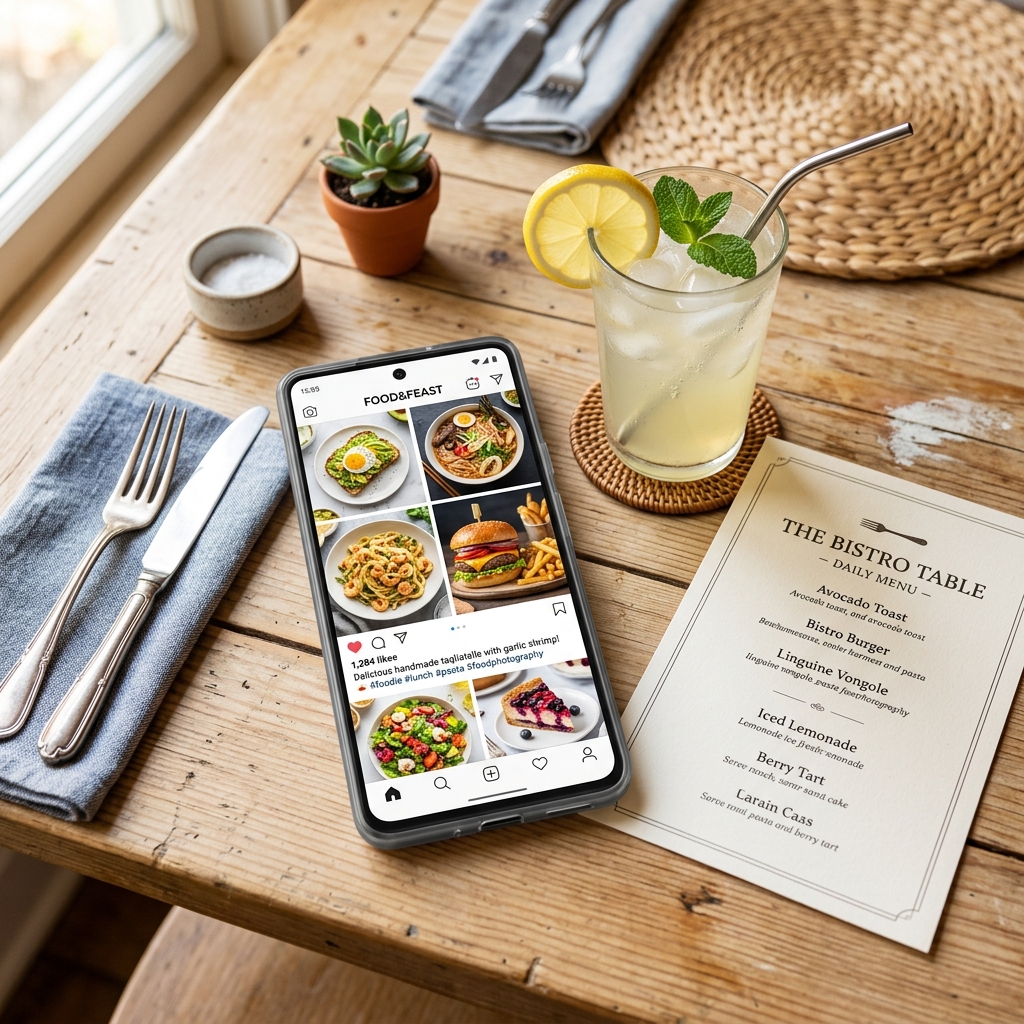
Most restaurant owners post on Instagram because they feel they have to, not because they see a return. They upload a dark photo of their dining room or a flyer for an upcoming holiday and wonder why nobody reserves a table. Having a random collection of posts is not a strategy. If you want your social media accounts to generate reservations and online orders, you need to apply practical social media marketing tips for restaurants that drive real consumer behavior.
People do not follow restaurants to read corporate announcements. They follow them to look at delicious food, get a sense of the atmosphere, and find dining inspiration. If your feed is boring, people will scroll past. If your feed is visually mouthwatering and easy to interact with, you will convert passive scrolls into hungry diners sitting at your tables.
You do not need a professional production crew or a massive budget to succeed. You just need to show the human side of your kitchen, share high-quality visuals, and make it incredibly easy for people to take action. Let's look at the strategies that actually impact your bottom line.
Stop posting flyers, start showing food
One of the most common mistakes is treating your social media feed like a bulletin board. If you post a graphic made in Canva with lots of text announcing your holiday opening hours, your engagement will drop. People use social networks for visual entertainment, not to read flyers.
Instead of posting text graphics, show the product in action. Post a short, close-up video of cheese pulling apart on a wood-fired pizza, or sauce being drizzled over a fresh steak. The movement captures attention in the first second of scrolling. Save the holiday hours or parking details for your Instagram Stories or your profile bio where people actively look for information.
Let's look at a quick comparison of content types:
- Low Engagement Content: Stock photos, text-heavy flyers, empty dining room shots, low-light kitchen photos.
- High Engagement Content: Food prep videos (under 10 seconds), customer reviews overlaying food photos, staff introductions, melting/pouring/sizzling action shots.
Make booking a table effortless
A beautiful food photo is useless if the customer has to close the app, open their browser, search for your restaurant, and navigate your website to book a table. Every extra step is a point where you will lose them.
Optimize your profile profiles to reduce this friction. Use a direct, clean booking link in your bio. Do not use generic link trees that list ten different websites. Keep it simple: one link to reserve a table, and one link to place an online order. If you post a Story showing a weekend special, use the link sticker tool to send people directly to your reservation page with a single tap.
A neighborhood burger bar in Leeds started putting a direct booking link on every single Instagram Story they posted. Within two months, their midweek bookings increased by twenty-four percent. Guests did not have to think or search; they just tapped, picked a time, and booked.
Leverage user-generated content
Your customers are already creating content for you. Every time they take a photo of their dessert or post a video of their cocktails, they are recommending you to their social network. This user-generated content is far more powerful than any advertising you could pay for because people trust real recommendations.
Here is how you can encourage more guests to share their experience:
- Create photogenic moments: Whether it is a beautifully presented dish, a neon sign on the wall, or a unique table setting, give guests a visual trigger to pull out their phones.
- Include your handle: Place your Instagram handle or custom hashtag on your menus, table stands, or receipts. Make it obvious how to tag you.
- Repost and reward: When a guest tags you, repost their photo on your Stories and send them a quick direct message thanking them. Occasionally, surprise them with a voucher for a complimentary drink on their next visit. This builds incredible loyalty and encourages others to share.
The weekly content checklist
Consistency is more important than perfection. You do not need to post three times a day. For most restaurants, three high-quality posts a week on your main feed, combined with daily Stories, is the perfect rhythm.
| Day | Post Concept | Goal |
|---|---|---|
| Tuesday | Short food action video (sizzling, pouring) | Stimulate hunger and drive midweek reservations. |
| Thursday | Staff spotlight or behind-the-scenes prep | Show the human side of the business and build brand trust. |
| Saturday | Repost guest photos with a call to action | Showcase a busy dining room and encourage next week's bookings. |
Run local, hyper-targeted campaigns
Do not waste money running ads to people who live fifty kilometers away. They are not going to drive that far for dinner. Use local targeting on social media platforms to show your ads only to people within a three-mile radius of your restaurant.
Run simple, visual ads targeting office workers during lunchtime hours, or couples on Thursday evenings looking for weekend plans. Keep the offer clear, the image mouthwatering, and the booking button direct. It is one of the most cost-effective ways to fill empty tables during slower shifts.
Social media marketing does not require you to be an influencer. By showing real food, eliminating booking friction, leveraging your guests' photos, and staying consistent with a simple weekly calendar, you can build an active online community that translates directly into a busy dining room.