

How to Build a Green Restaurant Brand
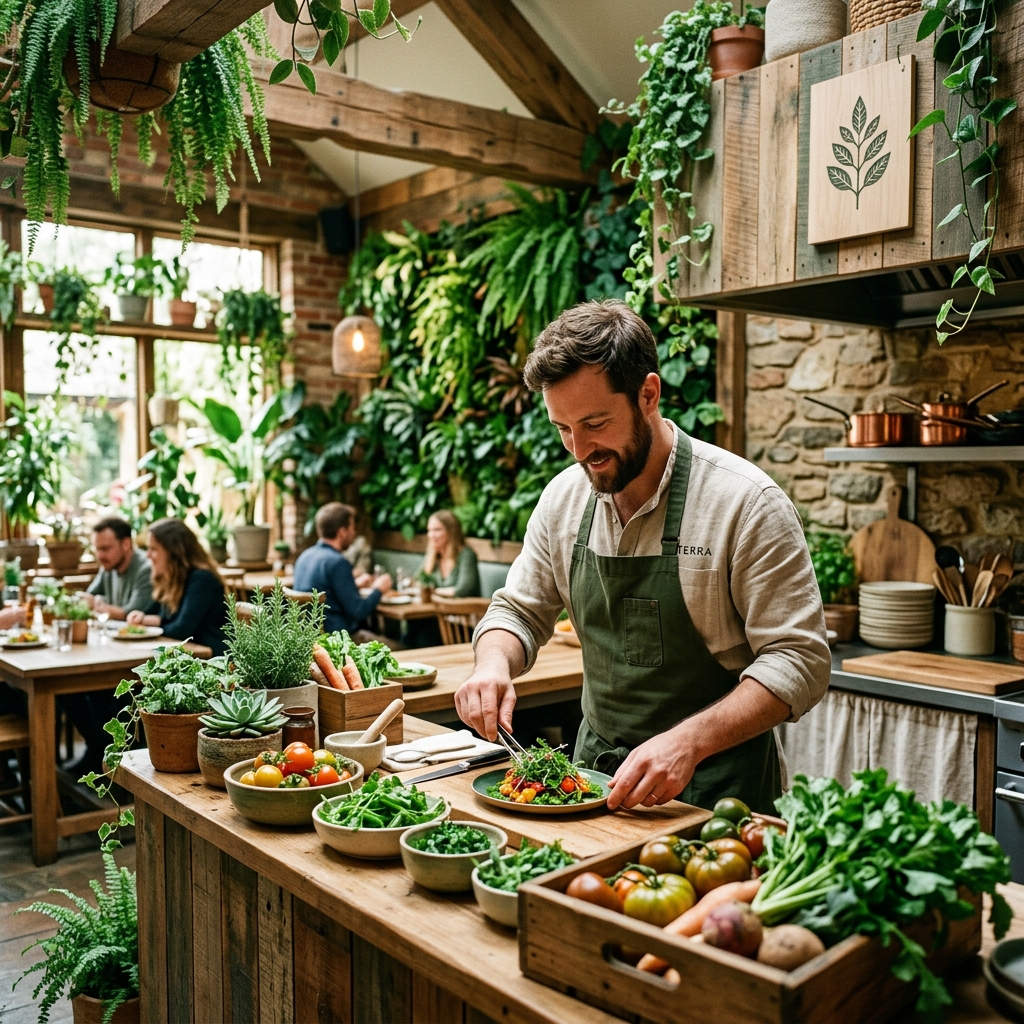
Most restaurant owners and managers get into this industry because they love food, hospitality, and creating memorable experiences. They do not do it because they want to spend hours tracking metrics, managing server conflicts, or auditing website code. Yet, ignoring these behind-the-scenes realities is why many promising venues struggle. To run a truly successful business, you must focus on the operational details that protect your margins, improve your FOH speed, and keep your tables full.
Eco-friendly restaurant operations are no longer just about ethics—they are a powerful marketing differentiator. Modern diners prefer brands that practice sustainable sourcing, minimize single-use plastics, reduce food waste, and support local farms.
A Practical Scenario: Consider how this looks in a real kitchen. A neighborhood cafe switched to compostable packaging, eliminated single-use plastics, and highlighted local farm suppliers on their menu. They promoted these green initiatives online, seeing a 20% increase in weekly lunch bookings.
Key Strategies for How to Build a Green Restaurant Brand
- Implement Local Farm Sourcing: Purchase ingredients from local farms. It reduces transport emissions, guarantees ingredient freshness, and builds a strong community brand.
- Eliminate Single-Use Plastics: Swap plastic straws, cups, and bags for compostable paper or bamboo alternatives. Diners notice and appreciate eco-friendly initiatives.
- Track and Reduce Kitchen Waste: Conduct a food waste audit. Adjust ingredient portion sizes and use ingredient cross-utilization to minimize kitchen bin waste.
- Optimize Energy and Water Use: Install low-flow water taps, smart kitchen ventilation, and LED lighting to cut utility bills while reducing your carbon footprint.
Improving Daily Communication and operational flow
Operational success requires FOH and BOH teams to communicate clearly. Appoint a dedicated expeditor to manage the kitchen pass during rushes, coordinating food runners so plates are delivered hot. Stagger reservation bookings in 15-minute intervals to prevent the host stand from flooding the kitchen. Standardize opening and closing checklists for both teams to maintain service quality and prevent hand-over errors.
The Critical Pitfall to Avoid
Avoid 'greenwashing'. Don't claim to be sustainable if you are not practicing it. Guests value transparency; share your real progress, even if you are just starting out.
Immediate Next Steps for Owners
Identify one single-use plastic item in your restaurant this week and replace it with a sustainable alternative. Promote the change to your guests.