

Digital Menus vs Printed Menus
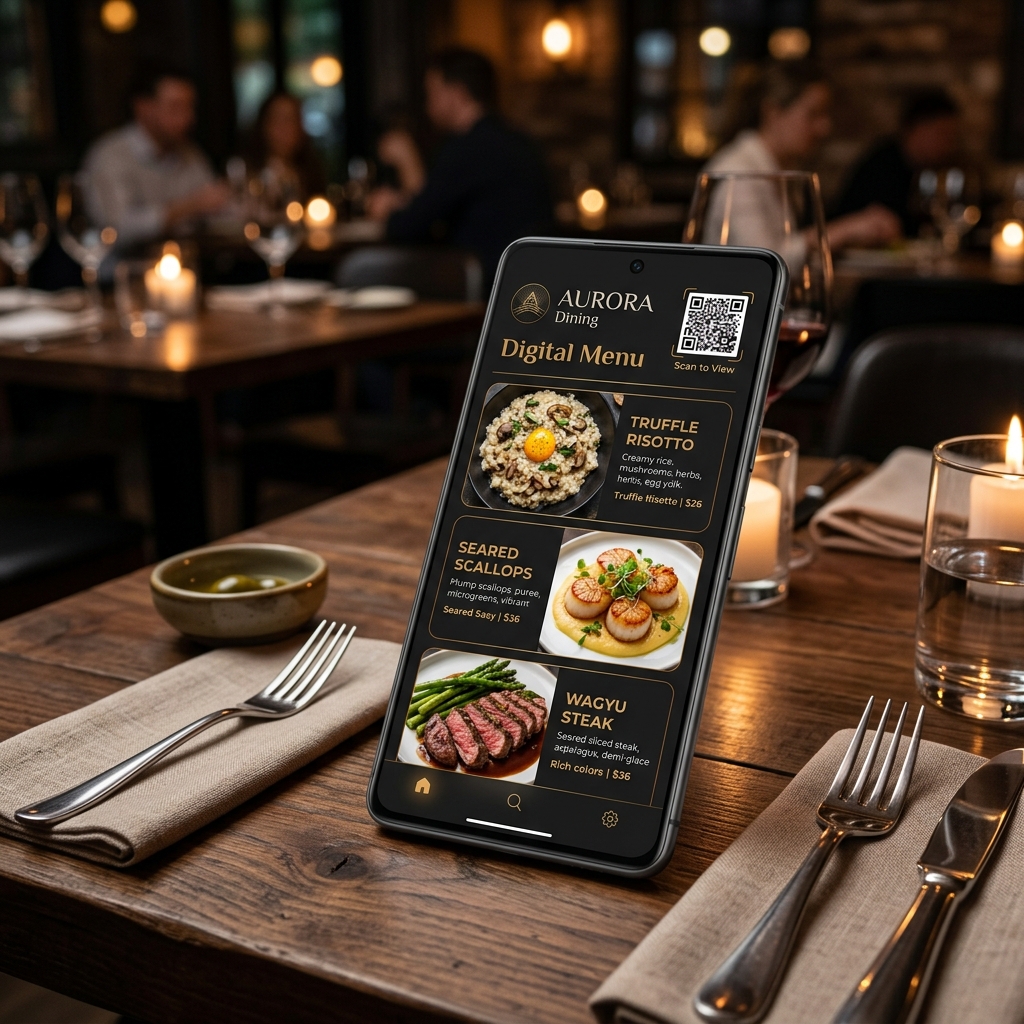
The debate between digital menus and traditional printed menus is divided. Some guests prefer the tactile feel of a high-quality paper menu, while others appreciate the convenience and speed of scanning a QR code. For restaurant owners, the decision has massive implications for printing costs, menu update speed, and average check sizes.
A Real-World Case Study: A busy neighborhood cafe switched from paper menus to dynamic digital QR menus. They realized they saved 450 EUR monthly in printing costs and could update prices instantly when ingredient costs spiked. Average spend rose by 12% due to automated upselling prompts in the digital menu.
Comparing Menu Formats
- Dynamic Updates and Testing: Digital menus allow you to change prices, add daily specials, or hide out-of-stock items instantly. Paper menus require costly reprinting.
- Eliminate Printing Costs: QR menus save thousands in printing, paper, and design fees, especially if you change menus seasonally or offer daily specials.
- Automate Upselling Prompts: Digital menus can automatically suggest premium sides, appetizers, or wine pairings during the ordering process, increasing average check sizes.
- tactile Brand Identity: Paper menus offer a premium feel and fit fine-dining brand identities better. Consider using paper for mains and QR codes for drink lists.
Optimizing Recipe Costs and Contribution Margins
To run a profitable kitchen, you must know the exact food cost and cash contribution margin of every single dish. Do not price items based on what competitors charge. Calculate recipe costs down to the spices, oil, and garnishes. Focus on the cash margin rather than just food cost percentages. A high-volume pasta dish might have a 15% food cost but only yield 8 EUR margin, while a steak with a 35% food cost might make 15 EUR. Redesign your menu layout to highlight high-margin 'Stars' and prune slow-selling 'Dogs' to simplify inventory.
The Hidden Pitfall to Avoid
Avoid using low-quality, generic PDF scans for your QR menus. A PDF menu that requires zooming and scrolling on mobile is hard to read and frustrates guests. Use responsive digital menus.
Actionable Consultant Takeaway
For fast-casual, cafe, or high-volume dining, digital QR menus deliver massive cost savings and higher check sizes. Fine dining should balance paper menus with digital drink lists.