

How to Attract More Customers During Slow Days
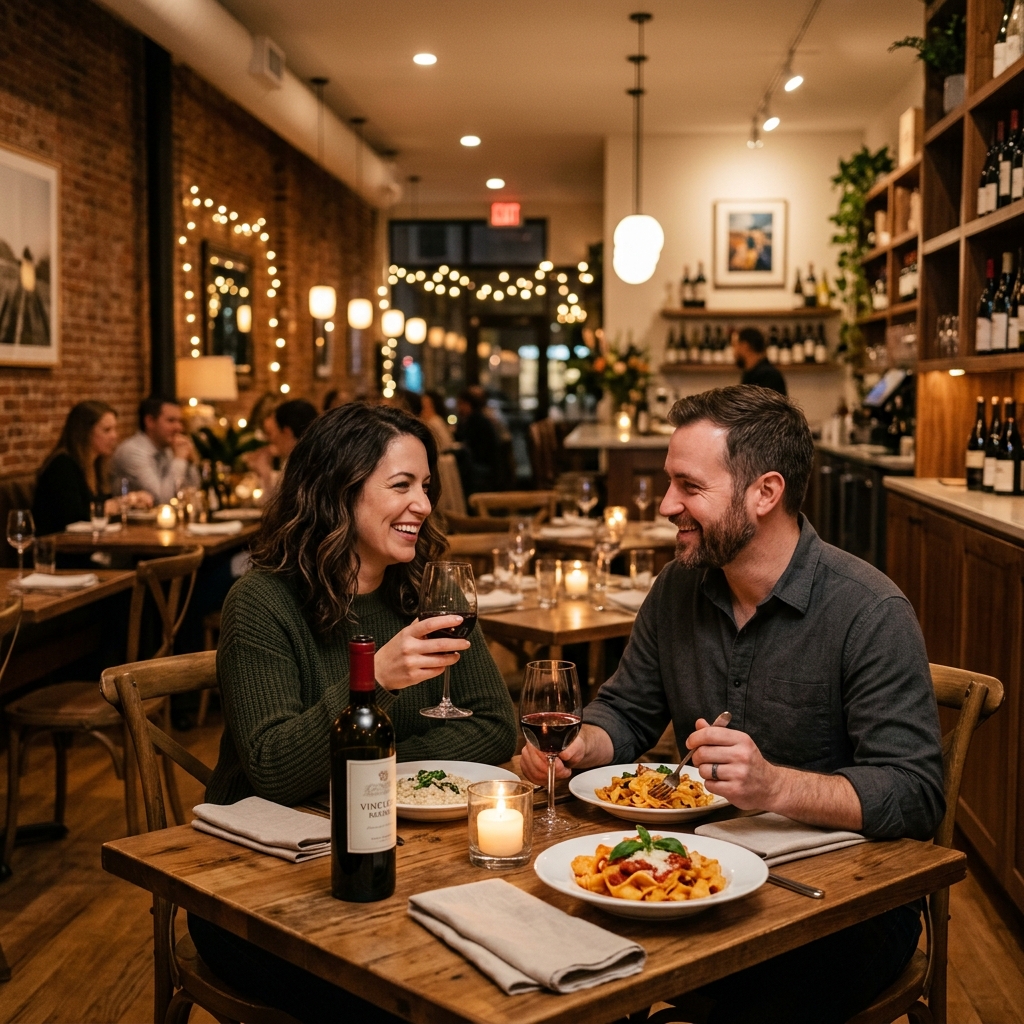
Every restaurant has them. The quiet Tuesdays where lunch feels endless. The mid-afternoons where you start wondering if anyone is actually going to walk through the door. Even solid, well-run restaurants go through these slow patches.
And the frustrating part is that food quality usually isn’t the problem. Staff is ready. Tables are clean. Kitchen is prepped. But demand just isn’t there.
The good news is that slow days are not fixed. They can be influenced, shaped, and in many cases completely transformed with the right approach.
The goal is not to randomly discount everything or hope for better weather. It’s about understanding customer behavior and giving people a reason to choose your restaurant specifically on days when they weren’t planning to go out.
Here are practical ways to attract more customers during slow days that actually work in real restaurants.
1. Build a “Reason to Visit Today” Offer
People rarely go out to eat without a trigger. On slow days, you need to create that trigger. This doesn’t mean heavy discounts. It could be something simple like a free dessert with every main course on Wednesdays or a complimentary drink during early dinner hours.
One restaurant I worked with struggled every Monday evening. They introduced a small “Monday Comfort Menu” with a free starter included. Same prices, but perceived value increased. Mondays filled up within three weeks.
2. Use Time-Based Promotions Instead of All-Day Discounts
One mistake restaurants make is discounting the entire day. That can hurt profitability without fixing demand. Instead, focus on time windows.
For example:
- 5pm to 7pm early dinner specials
- Late lunch offers between 2pm and 4pm
- Midweek happy hour extensions
This creates urgency. People think, “If we go now, we get the deal.”
3. Promote Slow Days Like They Matter
If your customers don’t know you have an offer on Tuesday, Tuesday will stay empty. Many restaurants promote heavily on weekends but forget about weekdays. Slow days need their own identity. Not just “we are open,” but “this is what makes this day worth coming for.”
A simple weekly rhythm works well:
- Tuesday: Pasta Night
- Wednesday: Wine & Tapas
- Thursday: Burger & Beer combo
4. Focus on Local Visibility
When traffic is slow, your best customers are usually within 5 to 10 minutes of your restaurant. This is where local visibility matters more than broad advertising.
Think about:
- Nearby offices
- Gyms
- Schools
- Residential areas
A café I worked with started targeting nearby offices with a simple weekday lunch deal. No ads, just flyers and a few partnerships. Lunch revenue increased by almost 30 percent on weekdays.
5. Push Online Reservations During Slow Periods
If you rely on walk-ins, slow days will always feel unpredictable. Encouraging reservations helps you control flow. Even small incentives like “reserved tables get priority seating” or “online bookings receive a complimentary appetizer on weekdays” can shift behavior. The key is reducing friction. If booking takes more than 20 seconds, many customers will not complete it.
6. Create Limited-Time Menu Items
Scarcity drives decisions. When people think a dish is temporary, they are more likely to visit sooner. Slow days are perfect for testing weekly chef specials, seasonal dishes, or experimental plates. This also helps your kitchen stay creative without overhauling the main menu.
7. Use Staff Recommendations Properly
Staff can make or break slow days. During quiet shifts, encourage servers to actively recommend specific dishes instead of asking generic questions.
Instead of:
“Would you like anything else?”
Try:
“Our grilled salmon has been really popular today, especially with the lemon butter sauce.”
It sounds simple, but it increases average ticket size and helps move high-margin dishes.
8. Offer Small Group Incentives
Slow days often fail because people assume restaurants are busy only on weekends. Encourage group visits with simple offers:
- “Bring 3 friends, get a shared dessert”
- “Groups of 4 or more get a free bottle of wine on Wednesdays”
These offers work especially well for casual dinners after work.
9. Activate Your Regular Customers
Your existing customers are your most reliable traffic source. On slow days, they are the ones most likely to respond. Use SMS reminders, email campaigns, or loyalty points bonuses for weekday visits.
A restaurant that adds even 15 extra regulars on a Tuesday can completely change the atmosphere of the night.
10. Improve Midweek Online Ordering
If dine-in traffic is slow, online orders can compensate. But most restaurants miss simple opportunities: no featured items, no upsell suggestions, no weekday-only bundles. A “Midweek Meal Deal for Two” often performs better than generic discounts because it feels structured and intentional.
11. Make the Experience Feel Special, Not Cheap
Customers can tell the difference between value and desperation. A slow-day offer should feel like an experience, not a clearance sale. Instead of lowering prices across the board, add something: a complimentary starter, a drink pairing suggestion, or a small dessert upgrade. This protects your brand while still increasing traffic.
12. Run Micro-Events on Quiet Days
You don’t need big productions. Small events can change an entire evening: live acoustic music, wine tasting night, chef’s table experience, or “meet the kitchen” evenings. One small 2-hour event can turn a dead Wednesday into a fully booked service.
13. Use Weather and Real-Time Triggers
This is often overlooked. If it rains, people stay indoors. That’s your moment. Simple messaging like:
“It’s raining outside, perfect night for pasta and a glass of wine.”
can significantly improve same-day bookings.
14. Highlight Comfort Food During Slow Days
Psychology matters. On quiet weekdays, people tend to choose comfort over experimentation. Push dishes like burgers, pasta, stews, or grilled dishes. Save lighter or premium experimental dishes for weekends when demand is higher.
15. Strengthen Your Google Presence
When people search “restaurant near me” on a quiet Tuesday, you want to appear. Make sure your Google profile is updated, photos are recent, opening hours are accurate, and reviews are actively collected. Even a small increase in visibility can shift midweek traffic noticeably.
16. Encourage Last-Minute Decisions
Slow days benefit from spontaneity. Use same-day promotions like “Walk-ins tonight get a free drink” or “Table available in the next hour gets dessert included.” These work especially well on social media stories.
17. Bundle Value Instead of Discounting
Bundling is more effective than lowering prices. Example: instead of 20% off meals, offer a starter + main + drink bundle at a fixed price. Customers perceive more value, and your margins stay healthier.
18. Train Staff to Talk About Slow-Day Offers
If your team doesn’t mention promotions, they don't exist. Make sure staff know the daily offer, can explain it in one sentence, and naturally bring it into conversation. Consistency matters more than creativity here.
19. Use Loyalty Points Strategically
Instead of constant discounts, reward weekday visits with extra points. For example: “Double points on Tuesdays and Wednesdays”. This encourages repeat behavior without lowering perceived value.
20. Measure What Actually Works
Not all promotions will perform the same. Track covers per slow day, average ticket value, online vs walk-in ratio, and return rate after promotions. After a few weeks, patterns will become obvious. Double down on what works and drop what doesn’t.
Final Thought
Slow days are not a demand problem. They are usually a positioning problem. Restaurants that consistently perform well midweek don’t rely on luck. They create reasons for people to come in, structure their offers around real behavior, and treat every day of the week with intention.
Once you stop thinking of Tuesday as a “slow day” and start thinking of it as a “designed opportunity,” the numbers usually start changing faster than expected.