

How to Create Successful Restaurant Loyalty Campaigns
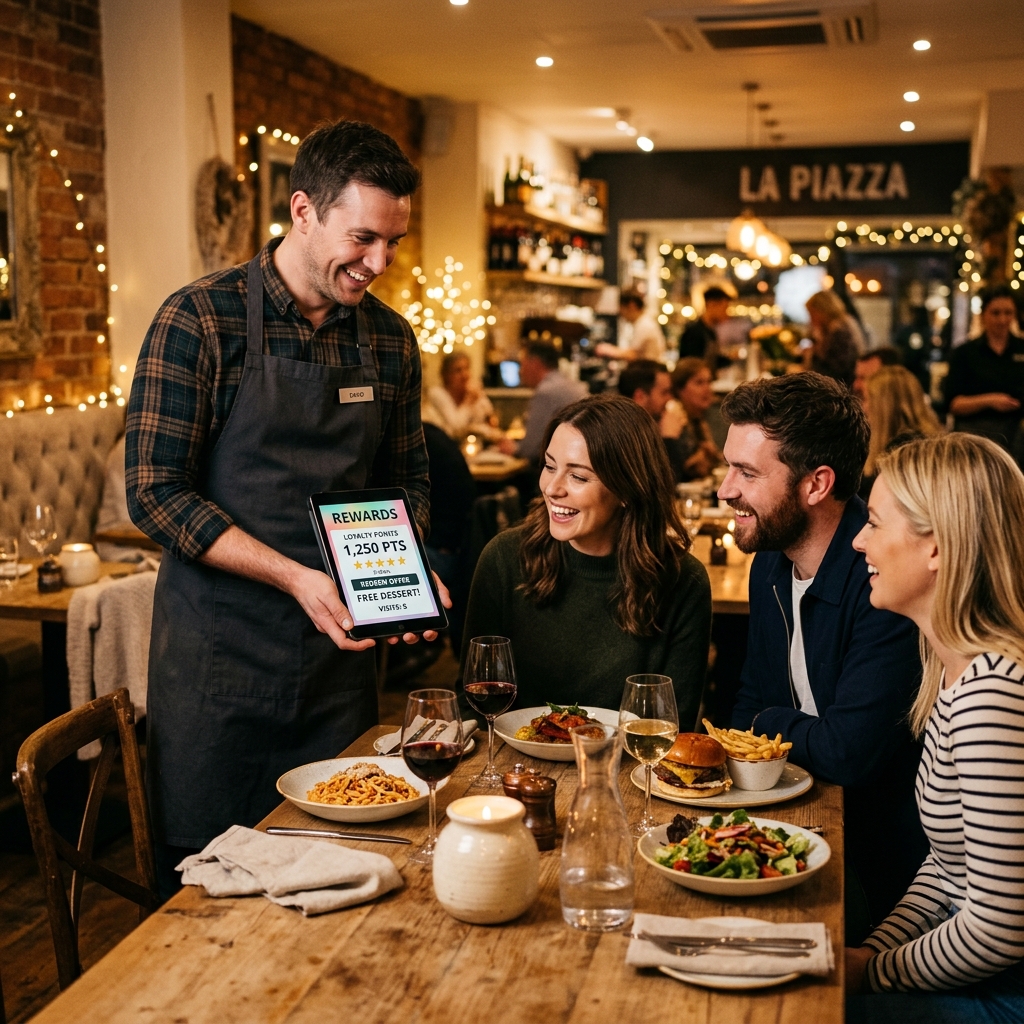
Most restaurant owners believe they have a loyalty program because they handed out a stack of paper punch cards last year. They watch customers shove those cards into overstuffed wallets, only to lose them or forget they exist. When those guests do not return, operators assume loyalty programs do not work for their concept. The truth is that poorly designed rewards programs fail, but well-structured campaigns are one of the most effective ways to drive repeat visits and increase your overall revenue.
It costs five times more to acquire a new customer than to keep an existing one. If you want to build successful restaurant loyalty campaigns, you must move past paper cards and generic discounts. You need to structure rewards that protect your profit margins while making guests feel valued. Here is how to create a loyalty campaign that actually impacts your bottom line.
Digital Tracking is Not Optional
Paper punch cards are a relic of the past. They do not give you any data, they are easy to lose, and they do not allow you to contact your guests. If a customer visits your bistro three times a month and suddenly stops coming, a paper card cannot help you bring them back.
You need a digital system that tracks visits using a phone number or email address. It does not have to be a complicated app that guests must download. A simple system that links to a guest's profile when they book a table or pay their bill is much more effective.
By going digital, you gain valuable insights:
- You see exactly who your top twenty percent of customers are.
- You know what they order and how much they spend.
- You can send them automated messages when they have not visited in thirty days.
Reward with High-Margin Items
Many independent restaurants make the mistake of offering flat discounts, such as ten percent off the entire bill. This is a lazy strategy that directly eats into your profits. If a table of four spends two hundred dollars, you just gave away twenty dollars of your hard-earned margin.
Instead of cash discounts, reward your guests with high-margin menu items. Think about items that have a low cost of goods sold but a high perceived value.
Consider these high-margin rewards:
- Desserts: A warm chocolate brownie costs you about eighty cents to make, but has a menu price of eight dollars. Giving this as a reward feels like a generous gift to the guest, but costs you almost nothing.
- Appetizers: A portion of garlic bread or a plate of onion rings has a low food cost but is a popular treat.
- House drinks: A complimentary glass of draft beer or house wine during their next dinner visit is highly valued by guests and encourages them to order a full meal.
Reduce the Friction of Signing Up
If your staff has to explain a complex registration process or ask guests to fill out a long paper form at the table, your program will fail. Guests want to eat and relax, not do administrative work.
Make signing up completely effortless. Place a small stand on the table with a QR code. When scanned, it should open a simple mobile page with two input fields: name and mobile phone number.
Do not ask for their address, postcode, gender, or favorite color on day one. You can collect that information later. The goal is to get their contact details in under ten seconds. Offer an immediate incentive to register, such as a free beverage or appetizer on their next visit.
Three Loyalty Campaigns to Run Next Month
A successful loyalty program is not static. You should run specific campaigns throughout the year to drive consumer action.
The Welcome Campaign
This is your hook. When a guest scans the QR code at the table and joins your database, they receive an automated text or email with a voucher code. The voucher could be for a free order of spring rolls or a complimentary dessert on their next visit within fourteen days. This short validity window encourages them to return quickly, turning a first-time visitor into a repeat customer.
The Birthday Gift
Automate your system to send a personalized greeting five days before a guest's birthday. Offer them a complimentary main course when they dine with a group of two or more. A neighborhood Italian restaurant in Chicago used this campaign and saw a forty-two percent redemption rate. Guests rarely dine alone on their birthday, meaning a single free main course usually brings in a table of four paying guests.
The Midweek Booster
If your Tuesdays are quiet, run a double-points campaign. Send a text message on Tuesday morning to your database: "Double points on all orders tonight." This gives your regulars a specific reason to choose your restaurant on a day they would normally stay home.
Choosing the Right Campaign
| Campaign Type | Target Audience | Success Metric |
|---|---|---|
| Welcome Hook | First-time visitors | Return visit within 14 days |
| Birthday Gift | Active database members | Average table spend on redemption |
| Midweek Booster | Regular customers | Tuesday night revenue increase |
Focus on Customer Lifetime Value
Do not judge the success of your loyalty campaigns by the number of sign-ups alone. The only metric that truly matters is customer lifetime value. If a guest who used to visit once a month now visits twice a month because of your loyalty campaign, you have doubled their value to your business.
By digitalizing your system, focusing rewards on high-margin items, making registration simple, and running targeted campaigns, you will turn casual diners into regular guests who keep your kitchen busy.