

How to Handle Peak Reservation Hours Efficiently
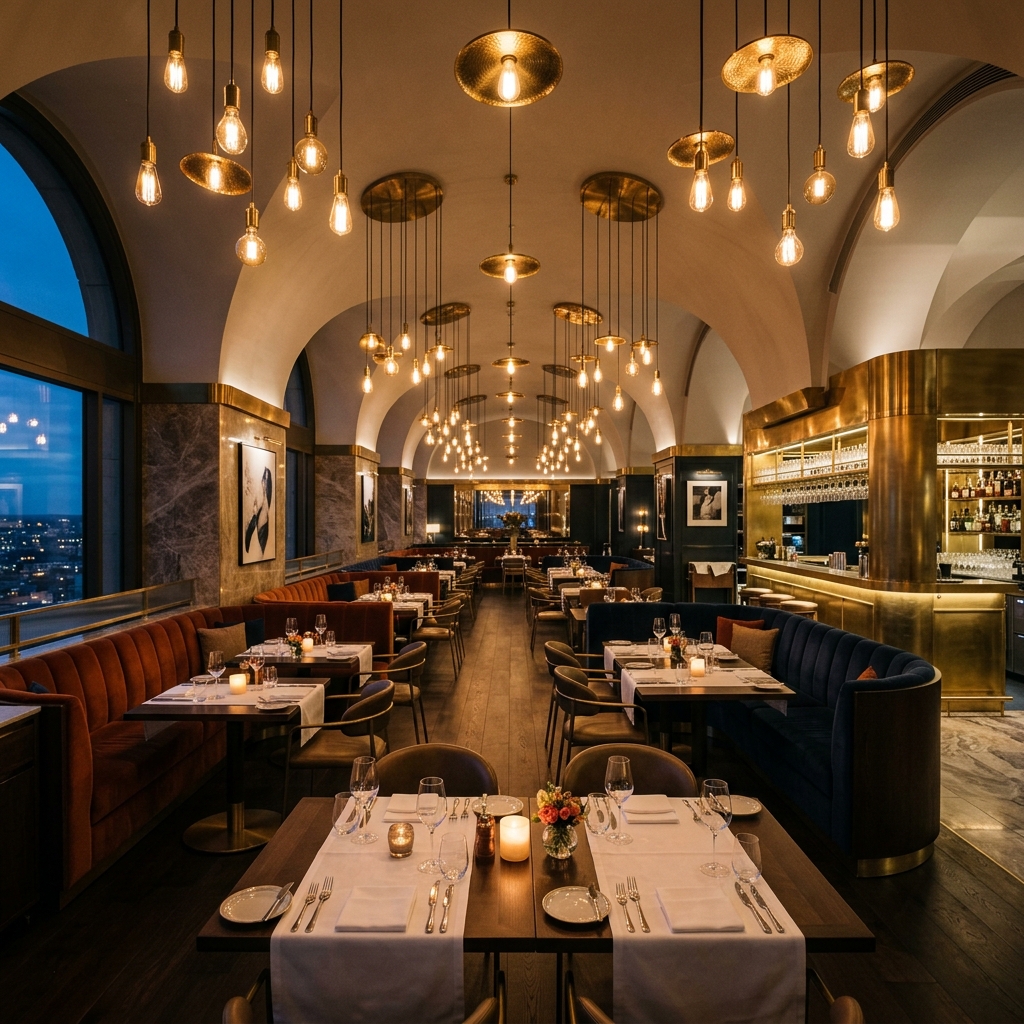
The dinner rush between 19:00 and 21:00 is make-or-break time for a restaurant. In those two hours, your kitchen, service staff, and reservation system are pushed to their absolute limits. If service slows down, tables don't turn, and guests wait too long, your profit margins suffer. Handling peak hours efficiently requires planning, FOH-BOH alignment, and standard operating procedures.
A Real-World Case Study: Imagine a busy Italian restaurant on a Friday night. During the 19:30 rush, the kitchen is backed up with pasta orders, while the host stand is struggling to clear and seat five waiting parties. The delay costs them an average of 15 minutes per table turn. By implementing prep prep templates and a dedicated expeditor in the kitchen, they reduce order prep times by 3 minutes, letting FOH seat guests on time and keeping the night on track.
Tactics for Managing the Rush
- Appoint a FOH Expeditor: During peak hours, have a manager or experienced host act as a FOH expeditor. Their sole job is monitoring table status and coordinating cleanups so tables are reset instantly.
- Simplify Peak-Hour Prep: Prep as much as possible before the rush. High-demand items should be pre-portioned and ready to fire. The kitchen should focus purely on execution during peak hours.
- Use Staggered Seating Intervals: Do not let the reservation system book more than three tables in the same 15-minute slot. Staggering arrivals keeps FOH and BOH under control.
- Establish Clear Table Clean-Up Roles: Designate specific busser zones. The moment a table stands up, the busser should clean it, and the server should reset it within 90 seconds.
Structuring Reservation Gaps and Staff Roles
When looking at operational bottlenecks, the first point of failure is often the host stand. If hosts are not trained in flow control, they will seat tables too fast, flooding the kitchen. Staggering reservation arrivals in 15-minute windows is critical. Additionally, establish clear server zones. If one server is running cocktails while another handles mains, table coordination is clean. Train servers to pre-bus tables constantly. By the time guests ask for the bill, only water glasses and dessert plates should remain, cutting table resetting time by up to 5 minutes.
The Hidden Pitfall to Avoid
The most common trap is lack of communication between the kitchen and the host stand. If the kitchen is running 20 minutes behind, the host must know immediately so they can manage waiting guests' expectations at the front door.
Actionable Consultant Takeaway
Peak hours should be structured like a well-choreographed dance. Proper prep, staggered arrivals, and clear team roles will help you survive the rush and maximize profit.