

How to Improve Restaurant Operational Efficiency
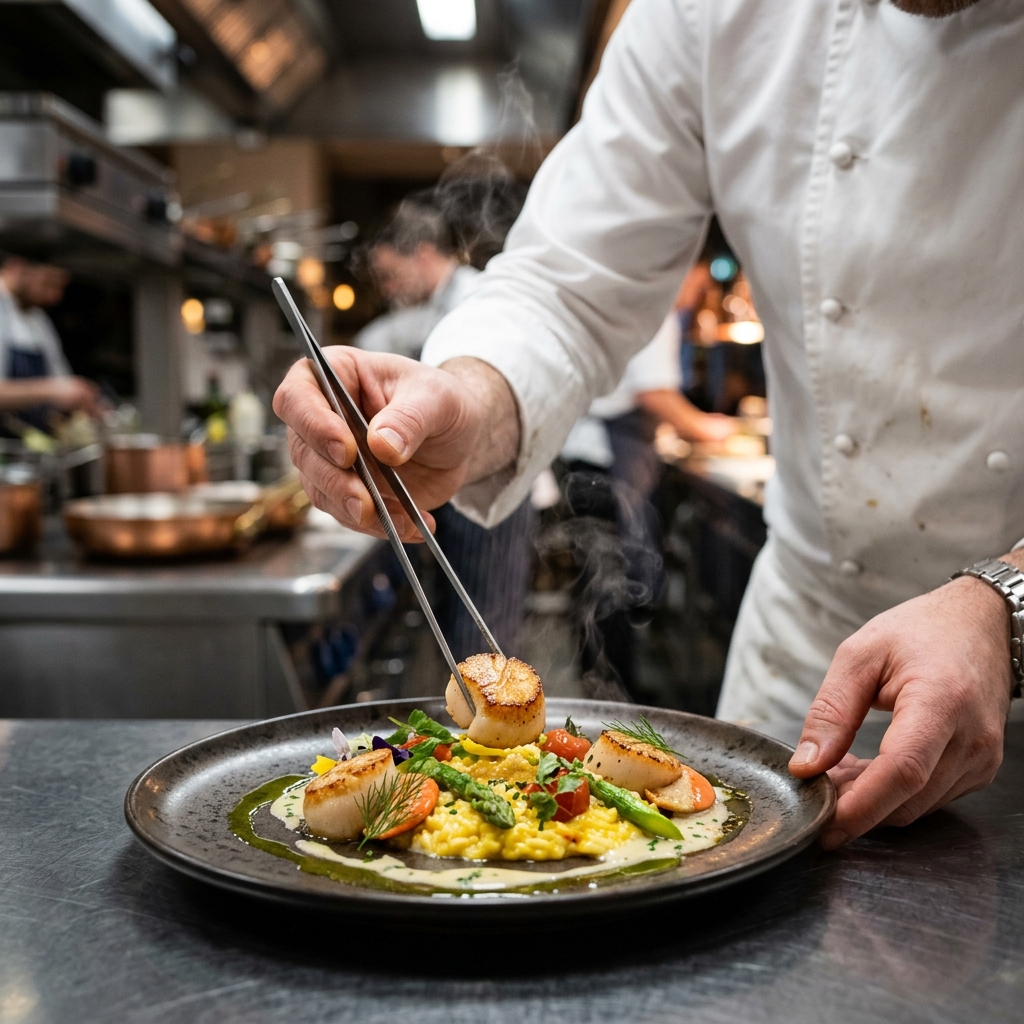
Operational efficiency is the difference between a chaotic kitchen and a highly profitable restaurant. If your staff is constantly searching for misplaced prep items, FOH-BOH communication is broken, or service steps are redundant, you are wasting time and losing money. Optimizing your operations requires analyzing workflows, standardizing prep, and utilizing digital tools.
A Real-World Case Study: A busy steakhouse reorganized their kitchen line, grouping ingredients by dish prep stations and adding digital KDS screens. Average prep and ticket times fell by 4 minutes, letting them turn weekend tables 10 minutes faster.
Efficiency Strategies
- Optimize Kitchen Line Layout: Arrange prep stations so cooks have everything they need within arm's reach. Group ingredients by station to minimize movement and cross-traffic.
- Standardize Prep Lists: Use prep sheets based on sales data forecasts. Cooks should prep only what is needed, reducing ingredient waste and saving labor hours.
- Implement Handheld Ordering: Let servers enter orders directly at the table on tablets. The order prints in the kitchen instantly, eliminating steps and speeding up service.
- Establish Daily Operations Checklists: Use clear opening and closing checklists for FOH and BOH. This ensures consistency, maintains hygiene, and prevents shift hand-over gaps.
Workflow Coordination and Daily Shift Checklists
Operational efficiency requires smooth hand-overs between FOH and BOH teams. Have a kitchen expeditor manage the pass during dinner rushes, coordinating food runners to deliver hot plates instantly. Take orders on tableside tablets to send tickets directly to kitchen screens, eliminating server walking steps and reducing order entry errors. Implement standard digital daily logs for managers to record staff call-ins and guest feedback, ensuring smooth shift hand-overs and consistent service standards.
The Hidden Pitfall to Avoid
Avoid optimizing processes at the expense of culinary standards or customer hospitality. Operational changes should support your staff, not rush the cooking quality or FOH warm welcome.
Actionable Consultant Takeaway
Operational efficiency is built on small improvements. Streamline station layouts, standardize prep lists, and automate order entry to save time and protect margins.