

How to Improve Your Restaurant's Local SEO
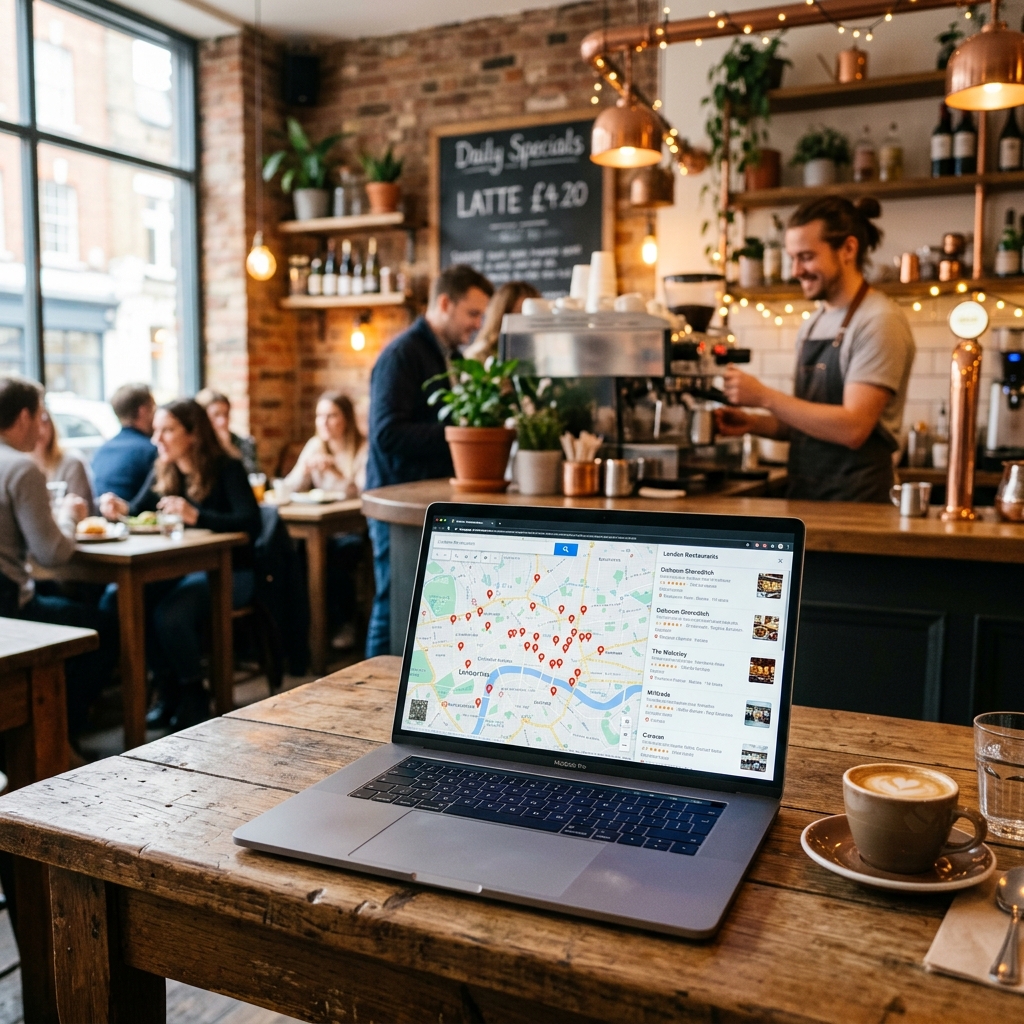
Most diners who visit your restaurant for the first time did not find you by accident. They pulled out their phones, searched for food nearby, and chose one of the first options that appeared. If your website does not rank in these local searches, you are effectively invisible to a massive pool of hungry customers in your neighborhood. Local search is the digital front door to your business.
To effectively improve your restaurant's local SEO, you must focus on mobile site performance, maintain consistent local business listings, and implement structured data. This is not about national competition; it is about dominating your immediate area. Here is how to optimize your digital presence to ensure local diners choose your tables.
Make Your Menu Search-Friendly
Many independent restaurants upload their menu as a PDF file or a photo graphic. This is a severe mistake for local SEO. Search engines cannot easily read text inside images or PDF files, meaning Google will not know you serve "gluten-free pasta" or "dry-aged ribeye" when local diners search for those terms.
Always publish your menu as clean, crawlable HTML text on your website. This allows search engines to index every ingredient and dish name, matching your website with highly specific local food queries.
Ensure your online menu is optimized for these factors:
- **Mobile responsiveness:** Over eighty percent of restaurant searches happen on mobile devices. Your menu must be easy to read on a phone screen without pinching or zooming.
- **Fast loading speed:** If your website takes more than three seconds to load, potential guests will hit the back button and visit a competitor's page. Keep image sizes small to optimize speed.
- **Direct booking buttons:** Place clear reservation calls-to-action at the top and bottom of your menu page.
Maintain Consistent Local Listings
Search engines crawl the web to verify that your business is legitimate and active. They look at your Name, Address, and Phone number (known as NAP) across various directories like Yelp, TripAdvisor, Apple Maps, and local business registries.
If your address is written as "123 Main Street" on Yelp and "123 Main St." on TripAdvisor, or if your phone number is different on Apple Maps, search algorithms get confused. This inconsistency signals lack of reliability, which lowers your local search ranking.
Audit your local listings to ensure your NAP details are identical everywhere. If you change your phone number or move to a new location, update every single directory immediately to protect your local authority.
Implement Restaurant Schema Markup
Schema markup is a structured data code that you add to your website. It tells search engines exactly what your content means, rather than just what it says. For restaurants, schema markup provides Google with specific data: your address, price range, accepted payment methods, menu URL, and opening hours.
By adding this structured code, you help search engines display your information as rich snippets in search results. This means users can see your hours, price level, and review ratings directly on the search results page, raising your click-through rate.
Local SEO Checklist
| Action Item | Implementation Details | Local SEO Benefit |
|---|---|---|
| HTML Menu | Convert PDF/image menus to clean website text | Allows Google to index and rank your specific dishes. |
| NAP Audit | Align name, address, and phone across all directories | Builds business authority and improves search rankings. |
| Schema Markup | Add restaurant structured data to website header | Enables rich search snippets and raises click-throughs. |
Acquire Local Backlinks
A backlink is a link from another website to yours. Google treats these links as votes of confidence. However, for local SEO, the geographic relevance of the link matters more than the national authority of the site.
A link from a local neighborhood blog, a city chamber of commerce, or a local food critic is highly valuable. Partner with local business associations, sponsor community sports teams, or invite local food bloggers to try your menu. These local links tell search algorithms that you are an active, trusted member of the local community.
By publishing a text-based mobile menu, aligning your NAP details across directories, implementing restaurant schema code, and building local community links, you will establish a dominant local presence that keeps your tables booked.