

How to Increase Table Turnover Without Hurting Customer Experience
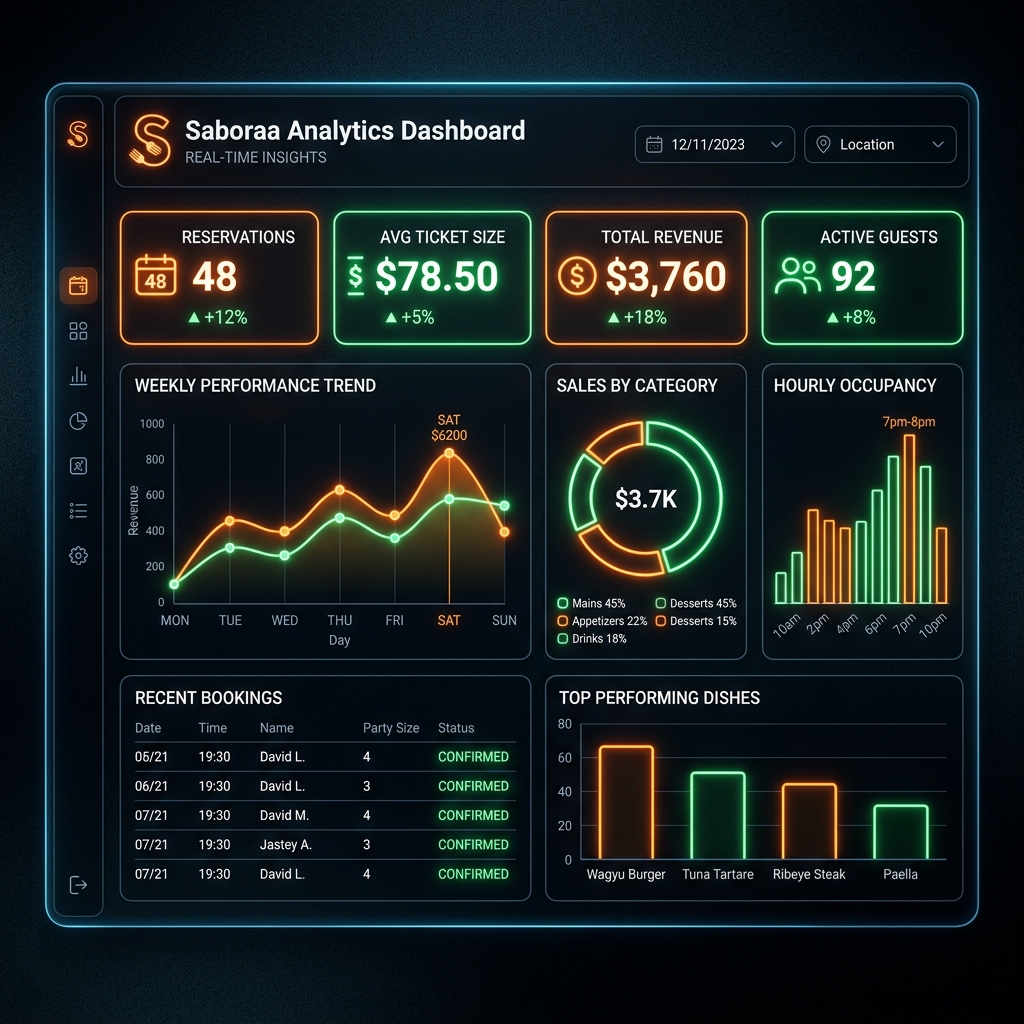
Every restaurateur knows the frustration of watching a table stay occupied long after the diners have finished their meal, while a line of waiting guests grows at the host stand. Rushing them out is a recipe for a bad review, but letting them linger destroys your table turnover rate and your profit margins. The secret lies in optimizing the natural flow of the service, from ordering to payment, so that table turn time decreases naturally without guests ever feeling like they are being pushed out the door.
A Real-World Case Study: Consider a busy 60-seat bistro on a Saturday night. If the average table turnover time is 90 minutes, the restaurant can host about 2.5 seatings per night, yielding 150 guests. By shaving just 12 minutes off each seating through streamlined service and faster payment processing, the turnover time drops to 78 minutes. This simple adjustment allows for 3 full seatings, meaning the restaurant can accommodate 180 guests. At an average spend of 35 EUR per person, that is an extra 1,050 EUR in revenue in a single evening, without adding a single extra table or chair.
Key Strategies to Speed Up Turns Naturally
- Streamline the Ordering Process: Don't make guests wait 15 minutes to order. Have servers greet them within two minutes of being seated and offer to take drink and appetizer orders immediately. This gets the kitchen working faster.
- Optimize Menu Design: A menu with too many options causes decision fatigue. Keep your menu tight and focused. This helps guests decide faster and simplifies kitchen prep, reducing the time from order to table.
- Pre-bus Tables Throughout the Meal: Servers should clear empty plates, glasses, and trash as the meal progresses. When guests finish their final course, the table should be almost empty. This makes the final clearing and resetting process much faster.
- Accelerate the Payment Phase: The longest delay in a meal is often waiting for the bill. Introduce digital table-side payment terminals or QR code payments so guests can pay and leave the instant they are ready.
Structuring Reservation Gaps and Staff Roles
When looking at operational bottlenecks, the first point of failure is often the host stand. If hosts are not trained in flow control, they will seat tables too fast, flooding the kitchen. Staggering reservation arrivals in 15-minute windows is critical. Additionally, establish clear server zones. If one server is running cocktails while another handles mains, table coordination is clean. Train servers to pre-bus tables constantly. By the time guests ask for the bill, only water glasses and dessert plates should remain, cutting table resetting time by up to 5 minutes.
The Hidden Pitfall to Avoid
The biggest mistake is letting staff look impatient. Clearing plates before everyone at the table has finished chewing, or dropping the bill before it is requested, makes guests feel unwanted. They will notice, and they won't come back. The focus must be on back-of-house efficiency and quick bill delivery, not rushing the guest's physical dining experience.
Actionable Consultant Takeaway
Shaving 10 to 15 minutes off a table turn isn't about rushing anyone. It is about removing the wasted, empty gaps in service where guests are just waiting. Fix those gaps, and your revenue will grow naturally.