

How to Optimize Seating Arrangements in Your Restaurant
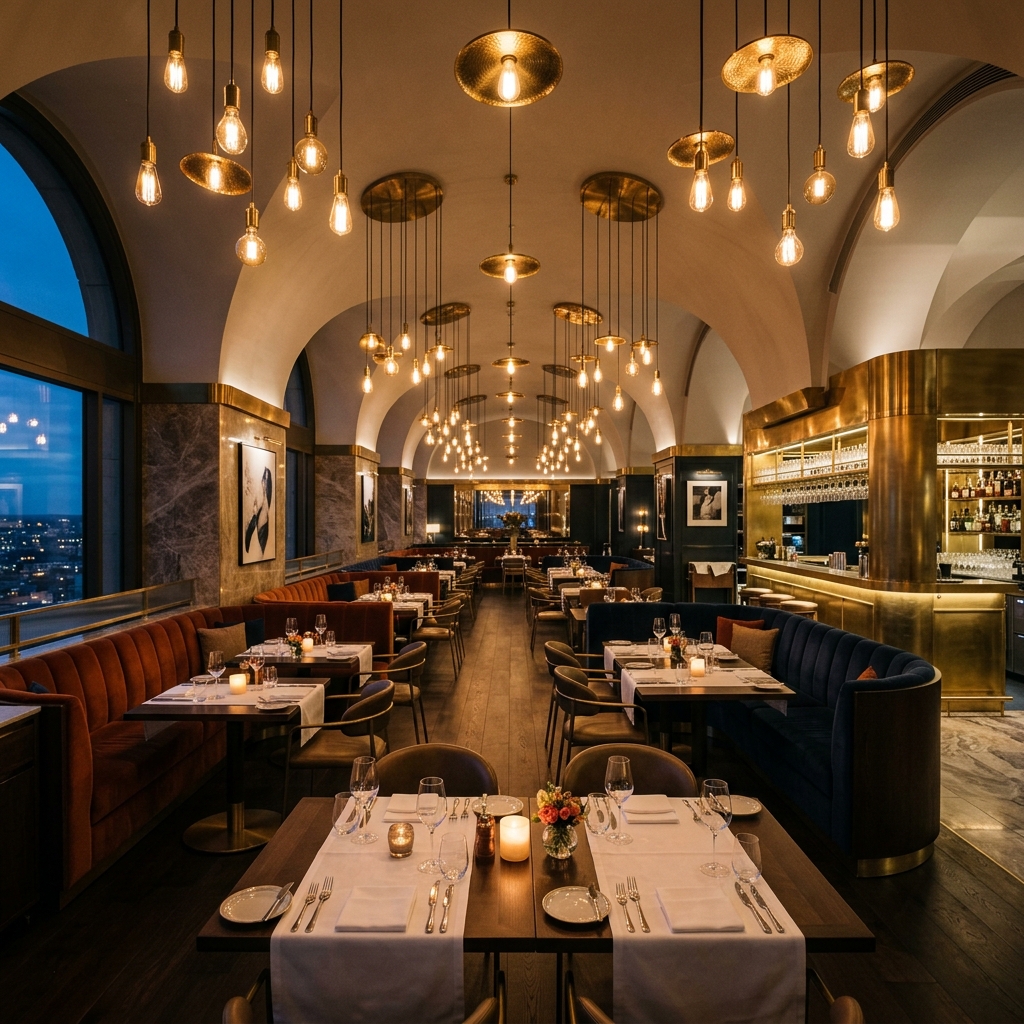
Seating arrangements are about more than just aesthetics. Your dining room layout directly impacts how many guests you can serve, how fast your waitstaff can move, and how comfortable your diners feel. A poorly arranged floor plan leads to empty seats, server bottlenecks, and noisy dining areas. Optimizing your table layout is one of the easiest ways to boost revenue without changing your menu.
A Real-World Case Study: A family bistro had fifteen 4-top tables. They realized that 70% of their bookings were parties of two. This meant they were regularly wasting two seats per table. By swapping out six large tables for twelve flexible 2-top tables that can be pushed together, they increased their maximum seating capacity by 20% and saw weekend sales rise by 4,200 EUR in the first month.
Seating Optimization Techniques
- Use Flexible, Combinable Tables: Invest in 2-top square tables that can be easily joined for larger groups. This gives you the flexibility to adapt your floor plan for every service.
- Designate Server Sections Smartly: Balance server sections by mixing fast-turning tables (like bar counters) with slower dining tables. This prevents individual servers from getting overloaded.
- Avoid the 'Dead Zones': Tables right next to the kitchen door, drafty entrances, or restrooms are undesirable. Use plants, screens, or lighting to make these areas feel cozy and private.
- Maintain Clear Service Paths: Ensure there is at least 90-120 cm of space between tables for servers and food runners. Faster movement means quicker service and higher guest safety.
Structuring Reservation Gaps and Staff Roles
When looking at operational bottlenecks, the first point of failure is often the host stand. If hosts are not trained in flow control, they will seat tables too fast, flooding the kitchen. Staggering reservation arrivals in 15-minute windows is critical. Additionally, establish clear server zones. If one server is running cocktails while another handles mains, table coordination is clean. Train servers to pre-bus tables constantly. By the time guests ask for the bill, only water glasses and dessert plates should remain, cutting table resetting time by up to 5 minutes.
The Hidden Pitfall to Avoid
Do not pack tables too close together. If guests feel like they are sharing a conversation with the adjacent table, their dining experience is compromised. Balance table density with customer comfort.
Actionable Consultant Takeaway
Optimizing your dining room layout is a high-yield project. Use combinable tables, balance server sections, and eliminate bad seats to increase capacity and server efficiency.