

Legal Requirements for Restaurant Websites
Most restaurant owners and managers get into this industry because they love food, hospitality, and creating memorable experiences. They do not do it because they want to spend hours tracking metrics, managing server conflicts, or auditing website code. Yet, ignoring these behind-the-scenes realities is why many promising venues struggle. To run a truly successful business, you must focus on the operational details that protect your margins, improve your FOH speed, and keep your tables full.
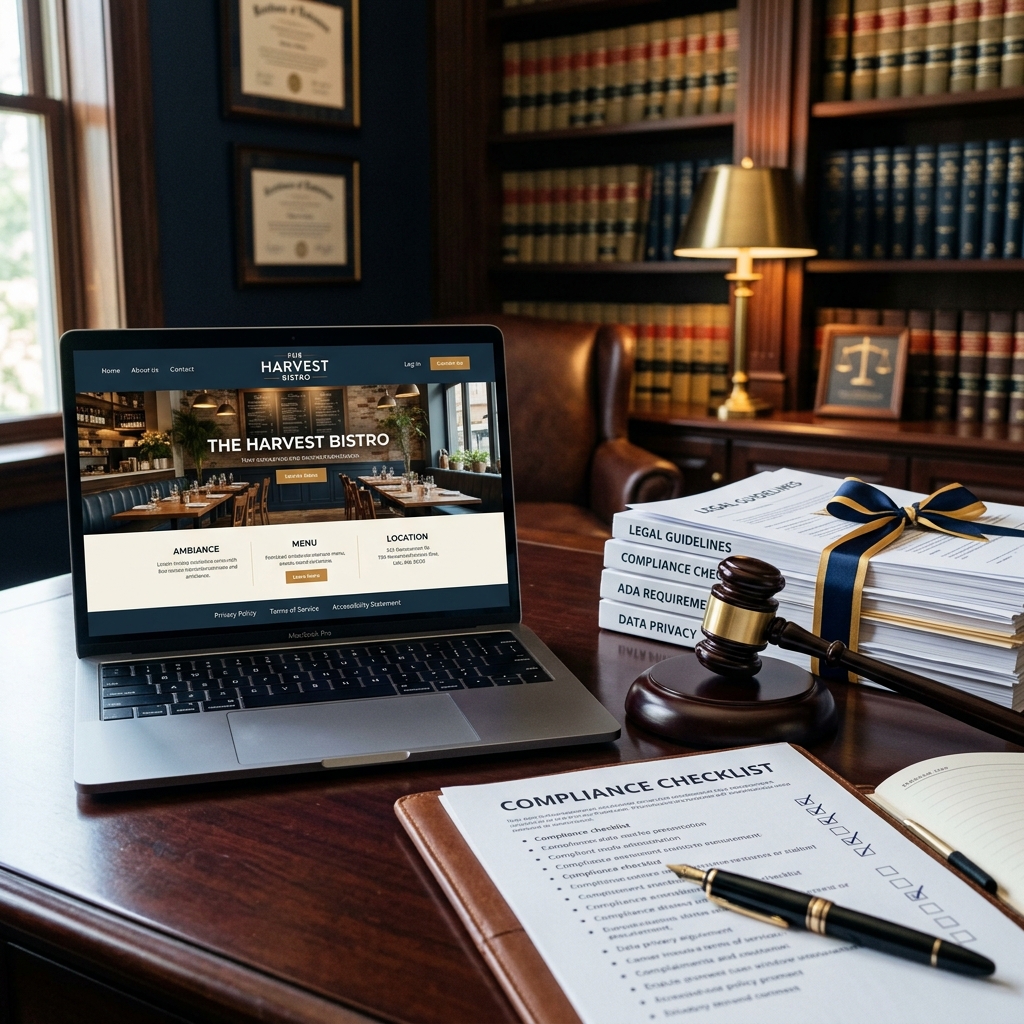
Managing a restaurant website and database comes with strict legal responsibilities. From privacy policies and GDPR consent to online accessibility requirements and cookie rules, failing to comply can lead to heavy legal fines and damage customer trust.
A Practical Scenario: Consider how this looks in a real kitchen. A small restaurant group sent marketing emails without capturing formal consent, receiving a GDPR warning. They updated their site with cookie consent banners, a clear privacy policy, and opt-in marketing boxes to stay compliant.
Key Strategies for Legal Requirements for Restaurant Websites
- Publish a Clear Privacy Policy: Include a readable privacy policy on your website explaining exactly how you collect, store, and use customer emails, phones, and booking data.
- Implement Cookie Consent Banners: Use standard consent banners to let website visitors accept or decline cookies before you track their browser behavior for marketing.
- Maintain Secure Data Databases: Encrypt your customer database and restrict access. Ensure server passwords are secure and outdated guest files are purged regularly.
- Ensure Website Accessibility (ADA): Optimize your website for screen readers. Use high contrast text and descriptive alt tags on buttons to ensure accessibility compliance.
Improving Daily Communication and operational flow
Operational success requires FOH and BOH teams to communicate clearly. Appoint a dedicated expeditor to manage the kitchen pass during rushes, coordinating food runners so plates are delivered hot. Stagger reservation bookings in 15-minute intervals to prevent the host stand from flooding the kitchen. Standardize opening and closing checklists for both teams to maintain service quality and prevent hand-over errors.
The Critical Pitfall to Avoid
Never pre-check the marketing opt-in box on booking forms. Customers must manually check the box to give consent; pre-checked boxes violate modern compliance rules.
Immediate Next Steps for Owners
Add a cookie consent banner and link a standard privacy policy to your website footer this week to meet basic legal requirements.