

Multi-Location Reporting for Restaurant Owners
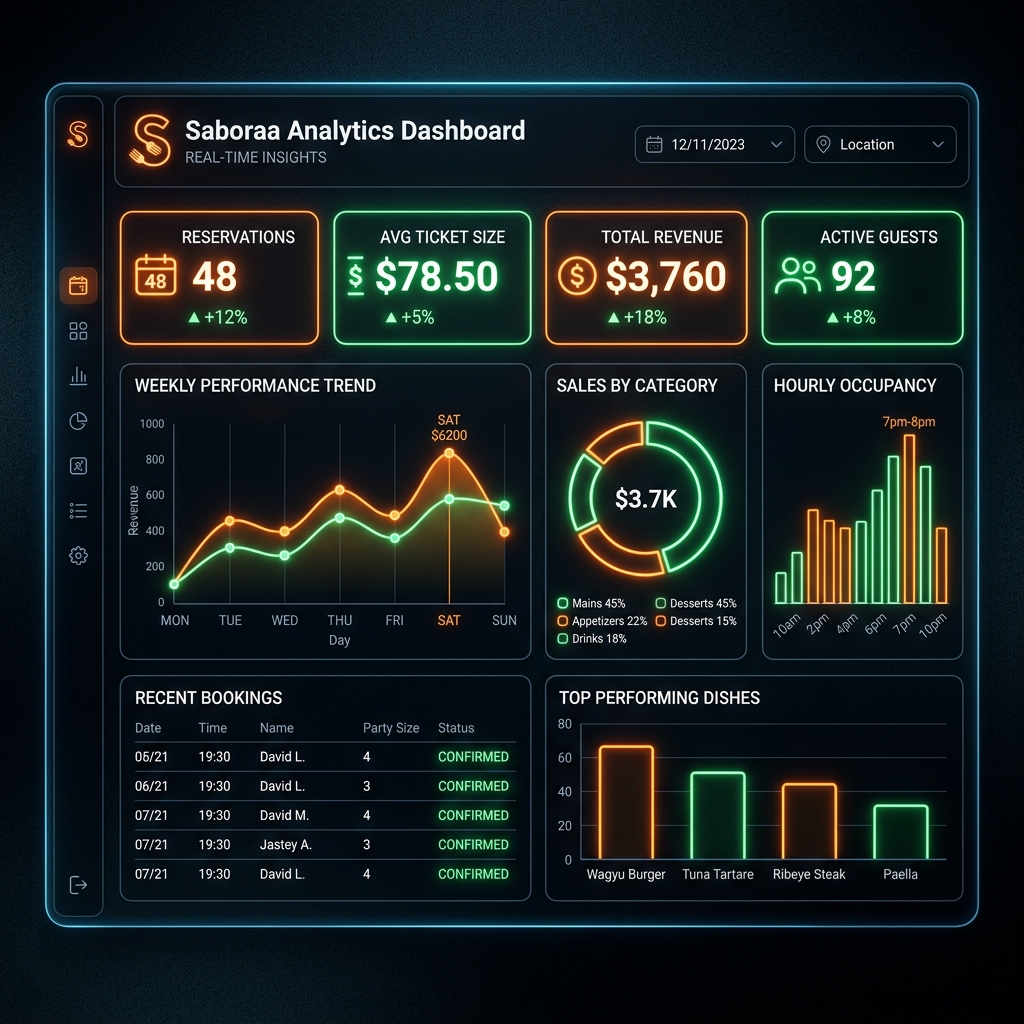
Managing multiple locations means dealing with multiple sales streams, labor costs, and supplier bills. If you are manually consolidating financial data from different locations using Excel, you are getting slow, inaccurate reports. Multi-location reporting is about automating data aggregation to get real-time financial visibility.
A Real-World Case Study: A restaurant owner spent every Sunday compiling sales and labor data from three separate POS systems. He moved to a consolidated cloud reporting platform that automatically generated a multi-unit dashboard, saving him 6 hours weekly.
Multi-Location Reporting Rules
- Automate Financial Consolidation: Integrate your POS systems with accounting software like Xero or QuickBooks for automatic daily sales and tax reconciliation.
- Compare Branch Performance Metrics: Create dashboards comparing prime cost (COGS + labor) percentages across locations. Investigate why one branch has higher food costs than others.
- Track Labor Spend in Real-Time: Monitor labor hours and costs across all locations against real-time sales, allowing managers to cut shifts during slow periods.
- Centralize Supplier Invoice Auditing: Use digital invoice processing to capture supplier prices across all branches, helping you spot discrepancies and negotiate volume discounts.
Standardizing Operations and Remote Performance Audits
Managing multiple locations requires clear systems, not just hard work. Write comprehensive Standard Operating Procedures (SOPs) for all kitchen prep and front-of-house greeting steps. Use digital training videos to ensure consistent standards across all locations. Centralize your menu pricing and inventory audits in the cloud, allowing you to compare branch performance and spot food cost spikes. Delegate daily floor checklists to local managers, letting you monitor operations without driving between locations all day.
The Hidden Pitfall to Avoid
Avoid ignoring regional market differences. While comparing performance is useful, account for varying local rents, wage rates, and ingredient transport costs when evaluating profit margins.
Actionable Consultant Takeaway
Consolidate your financial data automatically. Use cloud dashboards to compare branch performance and monitor prime costs across all locations in real-time.