

Restaurant KPIs Every Owner Should Track
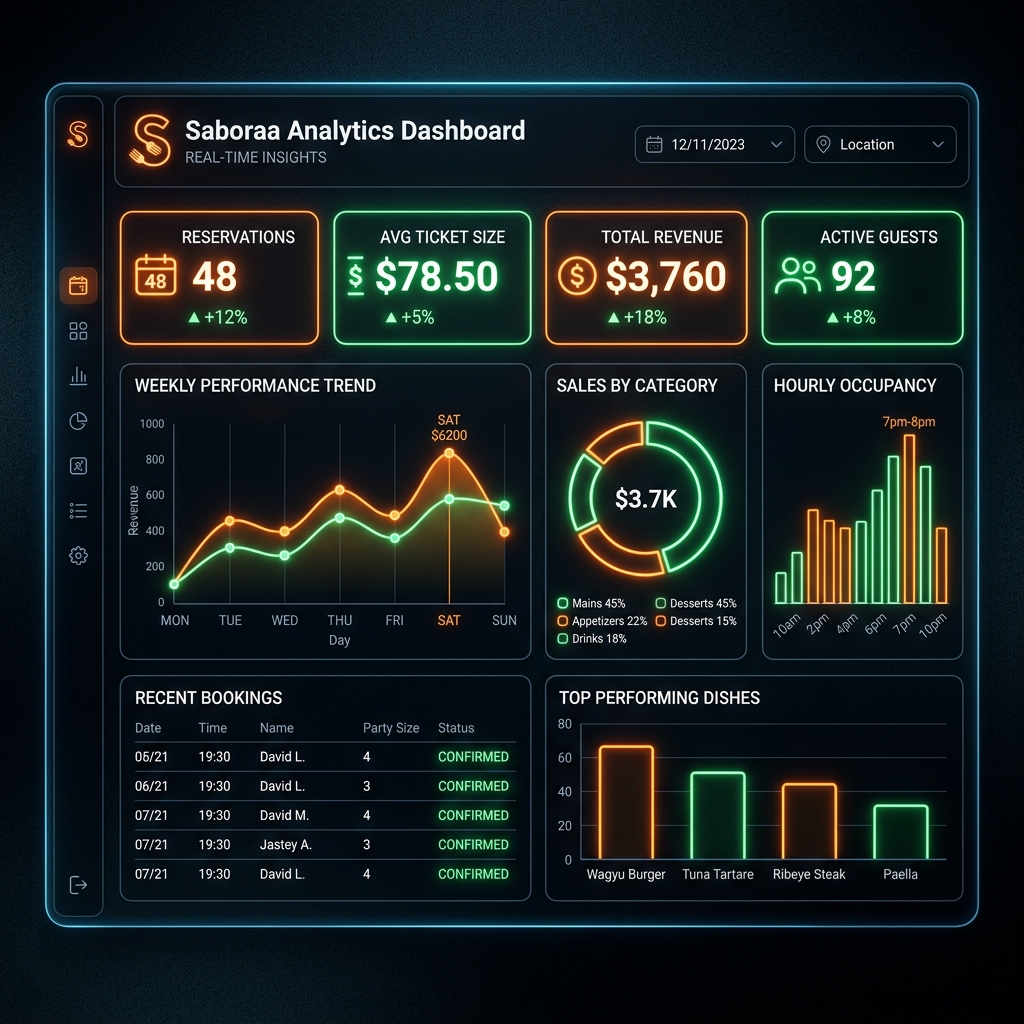
Running a restaurant on gut feelings is a recipe for bankruptcy. With thin profit margins and high operational costs, you need exact numbers to guide your decisions. Tracking the right Key Performance Indicators (KPIs) gives you a clear view of your restaurant's financial health, helping you spot cost spikes and revenue drops before they threaten your cash flow.
A Real-World Case Study: A neighborhood grill was busy every night but had flat profits. An audit showed their labor cost percentage was 38% due to scheduling errors. By tracking labor cost weekly and adjusting staffing, they brought labor to 30%, adding 3,000 EUR to monthly profit.
Key Performance Indicators
- Prime Cost (Target: 60% or Less): The sum of your Cost of Goods Sold (COGS) and your total labor costs. This is the single most important metric for overall profitability.
- Food Cost Percentage (Target: 28% - 32%): The cost of your ingredients divided by your total food sales. Monitor this weekly to catch ingredient cost inflation and kitchen waste.
- Labor Cost Percentage (Target: 25% - 30%): Your total payroll cost (including taxes and management) divided by total sales. Optimize schedules against hourly sales data.
- Average Guest Spend (RevPASH): Revenue Per Available Seat Hour. Tracks how much money each seat in your dining room generates for every hour you are open.
Analyzing Sales Trends and Inventory Variance Reports
Data should drive your restaurant decisions. Review your Product Mix (PMix) report weekly to identify popular and slow dishes. Compare actual inventory levels against theoretical usage based on sales recipes to identify kitchen waste or portion control issues. Stagger labor schedules based on hourly sales traffic logs, matching labor spend directly to guest traffic. Use reservation conversion tracking to monitor how many website visitors complete bookings, optimizing the funnel to capture every diner.
The Hidden Pitfall to Avoid
Avoid checking your financial metrics only at the end of the month. In the restaurant business, a two-week labor cost spike can wipe out your monthly profits. Monitor your prime KPIs weekly.
Actionable Consultant Takeaway
Know your numbers. Track your prime costs, food cost percentage, and labor costs weekly to identify operational issues and protect your profit margins.